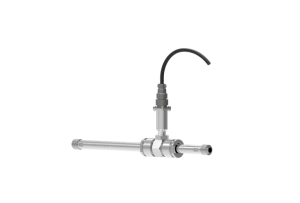
When it comes to liquid metering, two commonly used devices are positive displacement liquid meters and diaphragm pump - based liquid meters. As a liquid meter supplier, I've had the opportunity to work closely with both types of meters, and I'd like to share the key differences between them.
Working Principles
Positive displacement liquid meters operate on the principle of trapping a fixed volume of liquid and then counting the number of times this volume is filled and emptied. Inside the meter, there are chambers that expand and contract or rotate in a way that precisely captures and releases the liquid. For example, in a rotary vane positive displacement meter, the vanes rotate as the liquid flows through, and each rotation corresponds to a specific volume of liquid. This mechanical action allows for highly accurate measurement of the liquid volume passing through the meter.
On the other hand, diaphragm pump - based liquid meters are a bit more complex in their operation. A diaphragm pump is used to move the liquid through the metering system. The diaphragm in the pump flexes back and forth, creating a pressure difference that draws the liquid in and then forces it out. The metering part of the system typically uses sensors to monitor the movement of the diaphragm or the flow of the liquid. The sensors can measure factors such as the frequency of diaphragm movement or the pressure changes in the system to calculate the volume of liquid that has passed.
Accuracy
Accuracy is a crucial factor in liquid metering, especially in applications where precise measurement is required. Positive displacement liquid meters are known for their high accuracy. Since they physically measure the volume of liquid in discrete packets, they can provide very precise readings, often with an accuracy of up to ±0.1% - ±0.5%. This makes them ideal for applications such as Oil flow meter in the fuel industry, where even small errors in measurement can lead to significant financial losses.
Diaphragm pump - based liquid meters also offer good accuracy, but generally not as high as positive displacement meters. Their accuracy can be affected by factors such as the wear and tear of the diaphragm over time, changes in the viscosity of the liquid, and the precision of the sensors used. However, in many industrial applications where an accuracy of around ±1% - ±2% is acceptable, diaphragm pump - based liquid meters can be a cost - effective solution.


Flow Range
The flow range of a liquid meter is another important consideration. Positive displacement liquid meters have a relatively limited flow range. They are designed to work best within a specific range of flow rates. If the flow rate is too low, the meter may not operate accurately as the mechanical components may not move smoothly. If the flow rate is too high, it can cause excessive wear on the meter and may also lead to inaccurate readings.
Diaphragm pump - based liquid meters, on the other hand, can often handle a wider flow range. The diaphragm pump can be adjusted to operate at different speeds, allowing the meter to measure both low and high flow rates. This makes them more versatile in applications where the flow rate may vary significantly, such as in some chemical processing plants.
Viscosity Resistance
Viscosity is a measure of a liquid's resistance to flow. Positive displacement liquid meters are well - suited for measuring liquids with high viscosity. Their mechanical design allows them to handle thick liquids without significant issues. For example, in the food industry, where liquids like honey or syrup have high viscosity, positive displacement meters can accurately measure the volume of these substances.
Diaphragm pump - based liquid meters can also handle a certain range of viscosities, but they may face challenges with extremely viscous liquids. High - viscosity liquids can put more stress on the diaphragm, causing it to wear out faster and potentially affecting the accuracy of the measurement. Additionally, the flow of viscous liquids through the pump may be more difficult to control, which can also impact the metering accuracy.
Maintenance Requirements
Maintenance is an important aspect to consider when choosing a liquid meter. Positive displacement liquid meters require regular maintenance to ensure their continued accuracy and reliability. The mechanical components inside the meter, such as the vanes or gears, can wear out over time and need to be replaced. Seals also need to be checked and replaced periodically to prevent leakage.
Diaphragm pump - based liquid meters also need maintenance, but the focus is mainly on the diaphragm and the sensors. The diaphragm is a critical component, and if it gets damaged or worn, it can affect the performance of the meter. Sensors also need to be calibrated regularly to ensure accurate readings. However, in general, the maintenance of diaphragm pump - based liquid meters can be less labor - intensive compared to positive displacement meters, especially in terms of the complexity of the mechanical components.
Cost
Cost is always a factor in any purchasing decision. Positive displacement liquid meters are typically more expensive than diaphragm pump - based liquid meters. The high - precision mechanical components and the complex manufacturing process contribute to their higher cost. However, for applications where high accuracy is essential, the investment in a positive displacement meter may be justified.
Diaphragm pump - based liquid meters are more cost - effective, especially for applications where a lower level of accuracy is acceptable. They offer a good balance between performance and cost, making them a popular choice for many industrial applications.
Applications
Positive displacement liquid meters are widely used in applications where high - accuracy measurement is required. In addition to the fuel industry, they are also used in the pharmaceutical industry, where precise measurement of liquid medications is crucial. They are also suitable for measuring the flow of lubricants in machinery, where accurate lubricant dosing is necessary for proper equipment operation.
Diaphragm pump - based liquid meters are commonly used in applications where a wider flow range and cost - effectiveness are important. They are often used in chemical processing plants, where they can measure the flow of various chemicals with different viscosities. They are also used in water treatment plants for Flowmetering of water and chemicals.
Conclusion
In conclusion, both positive displacement liquid meters and diaphragm pump - based liquid meters have their own advantages and disadvantages. Positive displacement liquid meters offer high accuracy, good viscosity resistance, but have a limited flow range and higher cost. Diaphragm pump - based liquid meters provide a wider flow range, are more cost - effective, but generally have lower accuracy.
As a liquid meter supplier, I understand that choosing the right meter depends on the specific requirements of the application. If you need a high - precision measurement for a viscous liquid or in a critical application, a positive displacement liquid meter may be the best choice. On the other hand, if you need a cost - effective solution for a wide - ranging flow rate and can tolerate a slightly lower accuracy, a diaphragm pump - based liquid meter could be more suitable.
If you are interested in our Flowt High - End Custom Liquid Ultrasonic Flowmeter or other liquid metering products, or if you have any questions about choosing the right liquid meter for your application, please feel free to contact us for further discussion and procurement negotiation.
References
- "Flow Measurement Handbook: Industrial Designs and Applications" by Richard W. Miller.
- "Liquid Flow Measurement" by the American Society of Mechanical Engineers (ASME).
- Technical literature from various liquid meter manufacturers.