


Hey there! As a supplier of Pressure Transmitters, I've been getting a lot of questions lately about the pressure - measuring accuracy under different temperatures. So, I thought I'd sit down and write this blog to share some insights on this topic.
First off, let's talk about what a pressure transmitter is. It's a device that measures pressure and converts it into an electrical signal. We use these things in all sorts of industries, from oil and gas to manufacturing. And the accuracy of these measurements is super important. It can affect the quality of the products we make, the safety of our operations, and even the bottom line of our businesses.
Now, temperature plays a huge role in how accurate these pressure measurements are. You see, most materials expand or contract when the temperature changes. This can have a direct impact on the components inside a pressure transmitter. For example, the diaphragm, which is a key part of many pressure transmitters, can change shape with temperature variations. When the diaphragm changes shape, it can give false readings of the pressure.
Let's start with low temperatures. At really cold temperatures, the materials in a pressure transmitter can become more brittle. This can lead to cracks or other damage over time. And if there's damage to the internal components, the accuracy of the pressure measurement is going to go down the drain. Also, the viscosity of the fluid being measured can increase at low temperatures. This means the fluid might not flow as easily through the transmitter, which can also affect the pressure readings.
On the other hand, high temperatures can be just as problematic. When it gets really hot, the materials inside the pressure transmitter can expand. This expansion can cause the internal parts to rub against each other or put extra stress on the diaphragm. As a result, the pressure readings can be inaccurate. Additionally, high temperatures can cause the electrical components of the transmitter to malfunction. The resistance of wires can change with temperature, which can mess up the conversion of the pressure signal into an electrical one.
So, what can we do to ensure accurate pressure measurements under different temperatures? Well, one option is to use temperature compensation techniques. Many modern pressure transmitters come with built - in temperature sensors. These sensors can detect the temperature and adjust the pressure readings accordingly. This helps to correct for the effects of temperature on the internal components.

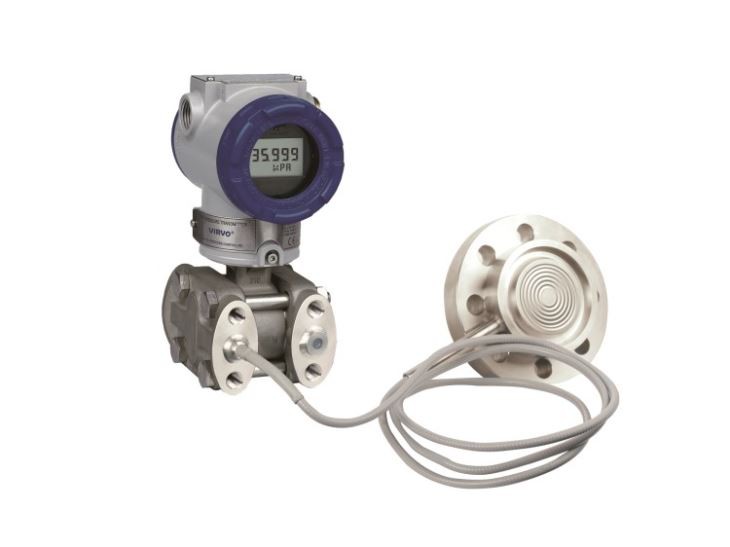
Another thing we can do is choose the right type of pressure transmitter for the specific temperature conditions. For example, if you're working in a very high - temperature environment, you might want to consider a transmitter that's designed to withstand those extreme conditions. We offer a range of pressure transmitters that are suitable for different temperature ranges.
Check out our Differential Pressure Transmitter with Single or Double Flanges Flow Meter. This transmitter is built to handle a wide range of temperatures and provides accurate pressure measurements even in challenging conditions. And if you're looking for something for liquid measurement, our Industrial Pressure Transmitter for Liquid Measurement Smart Type Flow Meter is a great option. It's designed to work well in different temperature scenarios and gives reliable results.
We also conduct a lot of testing on our pressure transmitters. Before we send them out to our customers, we test them at different temperatures to make sure they meet our accuracy standards. We use advanced testing equipment to simulate real - world temperature conditions and measure the performance of the transmitters.
But it's not just about the transmitter itself. How you install and maintain it also matters. When installing a pressure transmitter, make sure it's in a location where the temperature is relatively stable. Avoid placing it near sources of heat or cold, like heaters or air - conditioning units. And regular maintenance is key. Check the transmitter for any signs of damage or wear, especially after it's been exposed to extreme temperatures.
In conclusion, the pressure - measuring accuracy under different temperatures is a complex but important issue. Temperature can have a significant impact on the performance of a pressure transmitter, but with the right techniques, products, and maintenance, we can ensure accurate measurements.
If you're in the market for a pressure transmitter and want to learn more about how our products can handle different temperatures, don't hesitate to reach out. We're here to help you find the best solution for your specific needs. Whether you're in a high - temperature industrial setting or a cold - climate application, we've got the expertise and the products to meet your requirements. So, let's start a conversation and see how we can work together to get the most accurate pressure measurements possible.
References
- Pressure Transmitter Handbook: A Guide to Understanding and Using Pressure Transmitters
- Industrial Instrumentation and Control Systems Textbook


