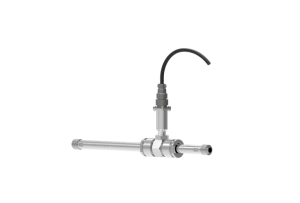
When it comes to industrial fluid measurement, electromagnetic flow meters are a popular choice due to their high accuracy, reliability, and versatility. As a leading supplier of electromagnetic flow meters, I often get asked about the cost of these devices. In this blog post, I'll break down the factors that influence the cost of an electromagnetic flow meter and provide some insights to help you make an informed purchasing decision.
Factors Affecting the Cost of Electromagnetic Flow Meters
1. Meter Size
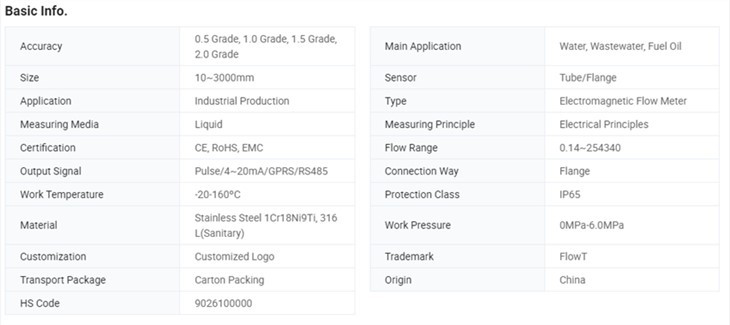
One of the primary factors that determine the cost of an electromagnetic flow meter is its size. Larger meters generally cost more than smaller ones because they require more materials for construction. The size of the meter is typically determined by the pipe diameter in which it will be installed. For example, a meter designed for a large - diameter industrial pipeline will be more expensive than one for a small - diameter residential or laboratory application.
2. Accuracy Requirements
The level of accuracy needed in your application also plays a significant role in the cost. High - accuracy electromagnetic flow meters are more expensive because they require more precise manufacturing processes and calibration. If your application demands extremely accurate flow measurements, such as in chemical dosing or custody transfer applications, you'll need to invest in a meter with a high - precision rating. On the other hand, if your process can tolerate a certain degree of measurement error, you can opt for a more cost - effective, standard - accuracy meter.
3. Material of Construction
The materials used to build the electromagnetic flow meter can have a substantial impact on its cost. The liner material, which comes into contact with the fluid being measured, is a critical component. Common liner materials include PTFE (polytetrafluoroethylene), rubber, and ceramic. PTFE liners are highly resistant to corrosion and chemicals, making them suitable for aggressive fluids. However, they are more expensive than rubber liners. The electrode material also affects the cost. Electrodes made from high - quality, corrosion - resistant metals like stainless steel or platinum are more costly but offer better performance and durability in harsh environments.
4. Output Signal and Communication Options
Electromagnetic flow meters can come with various output signals and communication options. Basic meters may only provide a simple analog output, such as a 4 - 20 mA signal. More advanced meters can offer digital outputs like Modbus, Profibus, or Ethernet, which allow for easier integration with control systems and data logging devices. The addition of these advanced communication features increases the cost of the meter. For example, a meter with an RS485 output signal, like the RS485 Output Signal Water Level Meter Ultrasonic Depth Measurement Tank Level Sensor For Solids, will generally be more expensive than a basic analog - output meter.
5. Installation Type
The installation type of the electromagnetic flow meter can also affect its cost. In - line flow meters, which are installed directly in the pipeline, are the most common type. They provide accurate measurements but can be more expensive to install, especially in large - diameter pipelines. Insertion flow meters, on the other hand, are inserted into the pipeline through a small opening and are generally less expensive to install. If you're looking for an Insertion Flow Meter manufacturer, there are options available that can offer a cost - effective solution for certain applications.
6. Special Features and Customization
Some electromagnetic flow meters come with special features such as built - in temperature compensation, self - diagnostic capabilities, or the ability to measure multiple fluids. These additional features add to the cost of the meter. Customization is another factor. If you need a meter with specific dimensions, materials, or performance characteristics tailored to your unique application, the cost will be higher compared to off - the - shelf models.

Cost Range of Electromagnetic Flow Meters
The cost of electromagnetic flow meters can vary widely depending on the factors mentioned above. For small - sized, basic - accuracy meters with standard materials and a simple analog output, you can expect to pay anywhere from a few hundred dollars to a couple of thousand dollars. These meters are suitable for applications such as small - scale water treatment plants or simple industrial processes.
Medium - sized meters with higher accuracy, better materials, and advanced communication options can cost between $2,000 and $10,000. These are commonly used in medium - sized industrial facilities, food and beverage processing plants, and some municipal water systems.
Large - sized, high - accuracy meters with specialized materials, multiple communication protocols, and advanced features can cost upwards of $10,000. These meters are typically used in large - scale industrial applications, such as oil refineries, power plants, and large - volume water distribution systems. For example, Electromagnetic Flowmeters Electrical Meter For Sewage used in large - scale sewage treatment plants often fall into this high - cost category due to their large size and the need for robust construction to handle harsh sewage environments.
Cost - Benefit Analysis
When considering the cost of an electromagnetic flow meter, it's important to conduct a cost - benefit analysis. While a more expensive meter may have a higher upfront cost, it can provide long - term savings in terms of improved accuracy, reduced maintenance, and increased process efficiency. For example, a high - accuracy meter can help optimize chemical dosing in a water treatment plant, reducing chemical waste and saving money in the long run. Additionally, a meter with a longer lifespan and better reliability can minimize downtime and maintenance costs.
Conclusion
In conclusion, the cost of an electromagnetic flow meter is influenced by several factors, including size, accuracy, materials, output signals, installation type, and special features. As a supplier, I understand that finding the right balance between cost and performance is crucial for our customers. Whether you're looking for a cost - effective solution for a small - scale application or a high - end meter for a large - scale industrial process, we can help you select the most suitable electromagnetic flow meter for your needs.
If you're interested in learning more about our electromagnetic flow meters or would like to discuss your specific requirements, please feel free to contact us. Our team of experts is ready to assist you in making an informed purchasing decision. We look forward to partnering with you to meet your flow measurement needs.
References
- "Flow Measurement Handbook: Industrial Designs and Applications" by Richard W. Miller
- "Electromagnetic Flowmeters: Principles, Design, and Applications" by various industry experts