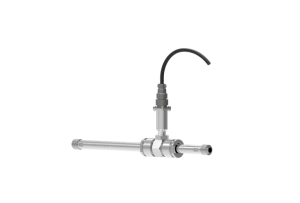
A water meter is a crucial device for measuring the volume of water used in residential, commercial, and industrial settings. As a water meter supplier, I've witnessed firsthand the impact of malfunctioning water meters on customers. Identifying the signs of a bad water meter is essential for ensuring accurate water usage measurement, preventing water wastage, and avoiding unnecessary costs. In this blog, I'll discuss some common signs that indicate a water meter may be malfunctioning.
Inconsistent Readings
One of the most obvious signs of a bad water meter is inconsistent readings. If you notice significant fluctuations in your water bills without a corresponding change in your water usage, it could be a sign that your water meter is not functioning properly. For example, if your water bill suddenly doubles or triples without any increase in your daily water consumption, such as additional people in the household or new water - using appliances, the meter may be over - registering the water flow.
Conversely, if your water usage seems high, but the meter readings show very low consumption, the meter may be under - registering. This can lead to inaccurate billing and potential water loss that goes unnoticed. Inconsistent readings can be caused by various factors, including mechanical wear and tear, damage to the internal components of the meter, or the presence of debris in the water that interferes with the meter's operation.
Meter Movement When No Water Is in Use
A properly functioning water meter should remain stationary when there is no water flowing through it. If you observe that the water meter's dial or digital display is moving even when all the taps in your property are turned off, it indicates a problem. This could be due to a leak in the plumbing system, but it could also be a sign of a faulty water meter.
In some cases, a small amount of movement might be normal due to pressure changes in the water supply system. However, if the movement is continuous or significant, it's worth investigating further. You can conduct a simple test by turning off all water - using appliances and fixtures and monitoring the meter for at least 15 minutes. If the meter continues to move, it's likely that either there is a hidden leak or the meter itself is defective.
Physical Damage
Physical damage to the water meter is another clear sign that it may be malfunctioning. The meter is typically installed in a meter box or enclosure, but it can still be exposed to various elements and potential hazards. Signs of physical damage include cracks in the meter's housing, broken glass (in the case of mechanical meters with a visible dial), or loose connections.
Physical damage can occur due to accidents, such as being hit by a vehicle or heavy equipment, or due to environmental factors like extreme weather conditions. Even minor damage can affect the meter's accuracy and performance. For instance, a crack in the housing can allow water or debris to enter the meter, causing internal damage to the components.
Noisy Operation
A water meter should operate quietly. If you hear unusual noises coming from the meter, such as rattling, humming, or clicking sounds, it could indicate a problem. Noisy operation can be caused by a variety of issues, including worn - out gears or bearings in mechanical meters, or electrical problems in digital meters.
In some cases, the noise may be a sign of a blockage in the water flow path within the meter. This can cause the water to flow unevenly and create vibrations that result in the noise. If you notice any unusual noises coming from your water meter, it's important to have it inspected by a professional as soon as possible.
Slow or No Response to Water Flow
When water starts flowing through a properly functioning water meter, it should respond quickly and accurately. If you turn on a tap and notice that the meter takes a long time to start registering the water flow, or if it doesn't register the flow at all, there is likely an issue with the meter.
This could be due to a mechanical problem, such as a stuck or jammed component, or an electrical issue in digital meters. Slow or no response to water flow can lead to inaccurate billing and can also make it difficult to detect water leaks or monitor water usage effectively.


Age of the Meter
The age of the water meter can also be a factor in its performance. Over time, the internal components of a water meter can wear out, leading to decreased accuracy and reliability. Most water meters have a recommended lifespan, typically ranging from 10 to 20 years, depending on the type and quality of the meter.
If your water meter is approaching or has exceeded its recommended lifespan, it's more likely to develop problems. As a water meter supplier, I often recommend that customers consider replacing older meters to ensure accurate water measurement and avoid potential issues.
Inaccurate Billing
As mentioned earlier, inaccurate billing is often a consequence of a bad water meter. If you receive water bills that seem too high or too low compared to your actual water usage, it's a strong indication that the meter may be malfunctioning. Inaccurate billing can lead to financial losses for both the consumer and the water utility company.
Consumers may end up paying more than they should for their water, while water utilities may lose revenue if the meter is under - registering. It's important to keep track of your water usage and compare it with your bills regularly. If you suspect inaccurate billing, contact your water provider to discuss the issue and request a meter inspection.
Solutions for Bad Water Meters
If you suspect that your water meter is malfunctioning, there are several steps you can take. First, you can contact your water provider. They are usually responsible for maintaining and replacing water meters. They will send a technician to inspect the meter and determine if it needs to be repaired or replaced.
In some cases, you may be able to use advanced water metering technologies to diagnose the problem. For example, Clamp - On Ultrasonic Water Flow Meter can be used to measure the water flow without the need for direct installation in the pipeline. This type of meter can provide accurate readings and can be useful for verifying the accuracy of the existing water meter.
Another option is the Flowt :: Clamp - on Ultrasonic Doppler Flowmeter (0.05 To 9 MPS), which is suitable for measuring water flow in a wide range of applications. It uses ultrasonic technology to measure the velocity of the water and calculate the flow rate.
For more portable and flexible water flow measurement, the FT221 Portable Ultrasonic Flow Meter can be a great choice. It can be easily carried around and used to measure water flow at different locations.
If you are experiencing issues with your water meter and are considering replacing it, we, as a water meter supplier, can offer a wide range of high - quality water meters. Our meters are designed to provide accurate and reliable measurement of water usage. Whether you need a mechanical meter for a small residential property or a digital meter for a large commercial or industrial application, we have the right solution for you.
If you are interested in learning more about our water meters or need assistance with a water meter problem, please feel free to reach out to us. We are committed to providing excellent customer service and helping you ensure accurate water measurement and billing.
References
- "Water Meter Testing and Calibration", Water Research Foundation
- "Common Water Meter Problems and Solutions", American Water Works Association