


Flow vortices are a fascinating and complex phenomenon that can have significant effects on ships. As a flow vortex supplier, I've seen firsthand how these swirling patterns of fluid flow can impact various aspects of a ship's performance, safety, and efficiency. In this blog, I'll delve into the effects of flow vortices on ships and explain why understanding them is crucial for ship operators and designers.
What Are Flow Vortices?
Before we dive into the effects, let's quickly define what flow vortices are. A vortex is a region in a fluid where the flow revolves around an axis line, which may be straight or curved. Vortices form when there's a difference in fluid velocity, such as when a fluid flows around an object or through a constriction. In the context of ships, vortices can form around the hull, propellers, rudders, and other appendages.
Effects on Ship Maneuverability
One of the most noticeable effects of flow vortices on ships is their impact on maneuverability. When a ship moves through the water, vortices are created around its hull and appendages. These vortices can cause changes in the water pressure distribution around the ship, which in turn affects its steering and stability.
For example, vortices formed around the rudder can reduce its effectiveness. The swirling flow can disrupt the smooth flow of water over the rudder surface, creating areas of low pressure and turbulence. This can make it more difficult for the ship's crew to steer the vessel accurately, especially at low speeds or during tight turns.
Moreover, vortices can also induce vibrations in the ship's structure. These vibrations can be uncomfortable for passengers and crew and may even cause damage to the ship's equipment over time. To mitigate these effects, ship designers often use special hydrodynamic shapes and appendages to control the formation and behavior of vortices.
Impact on Propulsion Efficiency
Flow vortices also play a crucial role in a ship's propulsion efficiency. When a ship's propeller rotates, it creates a complex flow field with vortices. These vortices can either enhance or reduce the propeller's performance.

On one hand, well - formed vortices can help to increase the propeller's thrust. By directing the flow of water in a more efficient way, vortices can improve the transfer of energy from the propeller to the water, resulting in better propulsion. However, if the vortices are not properly managed, they can cause energy losses. For instance, large and unsteady vortices can create additional drag, which requires more power from the ship's engines to overcome.
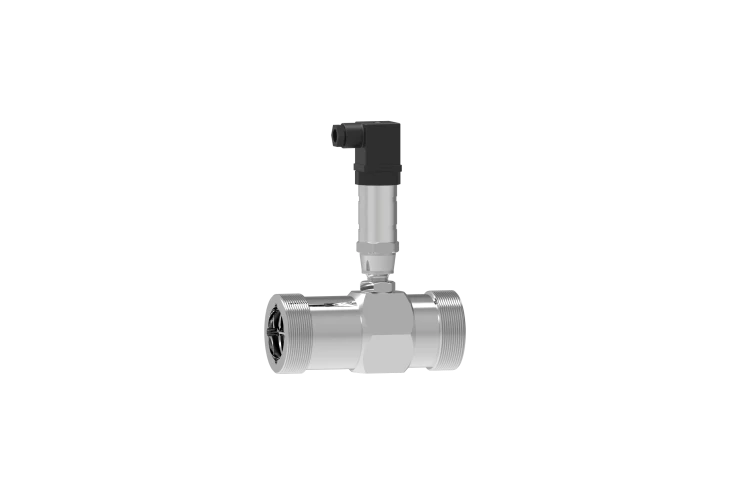
As a flow vortex supplier, we offer products that can help optimize the flow around the propeller. Our High - quality manufacturing of vortex flowmeters can be used to measure and analyze the flow characteristics, allowing ship operators to make adjustments to improve propulsion efficiency.
Effects on Structural Integrity
The presence of flow vortices can also have implications for a ship's structural integrity. The forces exerted by vortices on the ship's hull and appendages can cause fatigue and stress concentrations. Over time, these repeated stresses can lead to cracks and other forms of damage.
For example, vortices formed around the hull can cause cyclic loading on the ship's plating. This cyclic loading can weaken the structure, making it more susceptible to failure. In addition, vortices can also cause erosion of the ship's surfaces. The high - speed swirling flow can wear away the protective coatings and the underlying metal, reducing the ship's lifespan.
To address these issues, shipbuilders use advanced materials and construction techniques. They also rely on accurate flow measurements and simulations to understand the behavior of vortices and design structures that can withstand their effects. Our Sanitary Hersman Liquid Turbine Flowmeter can be used to measure the flow rate and characteristics of the water around the ship, providing valuable data for structural analysis.
Influence on Navigation Safety
Flow vortices can pose significant risks to navigation safety. In some cases, vortices can create strong local currents and eddies that can affect a ship's course and speed. For example, in areas with complex underwater topography, such as near reefs or in narrow channels, vortices can be particularly strong and unpredictable.
These strong vortices can push a ship off its intended course, increasing the risk of collisions with other vessels or grounding. In addition, the turbulence caused by vortices can make it difficult for the ship's crew to operate the vessel safely. Visibility may be reduced due to the churning water, and the ship may experience sudden changes in motion.
Ship operators need to be aware of the potential presence of vortices in different areas and take appropriate precautions. They can use our Steam Flow Meter to monitor the flow conditions and make informed decisions about navigation.
How Our Products Can Help
As a flow vortex supplier, we offer a range of products and solutions to help ships deal with the effects of flow vortices. Our flow meters are designed to accurately measure the flow characteristics, including the formation and behavior of vortices. By providing real - time data, these meters allow ship operators to optimize the ship's performance, improve efficiency, and enhance safety.
Our team of experts can also provide customized solutions based on the specific needs of each ship. Whether it's a large cargo vessel, a passenger ship, or a naval vessel, we can offer advice on how to manage flow vortices effectively.
Conclusion
Flow vortices have a wide range of effects on ships, from maneuverability and propulsion efficiency to structural integrity and navigation safety. Understanding these effects is essential for ship operators and designers to ensure the safe and efficient operation of ships.
If you're interested in learning more about how our products can help your ships deal with flow vortices, or if you're looking to purchase our flow meters, we'd love to hear from you. Contact us to start a conversation about your specific requirements and how we can provide the best solutions for you.
References
- Newman, J. N. (1977). Marine Hydrodynamics. MIT Press.
- Fox, R. W., McDonald, A. T., & Pritchard, P. J. (2012). Introduction to Fluid Mechanics. Wiley.
- Kerwin, J. E. (1982). Propeller theory at the Naval Ship Research and Development Center. Naval Engineers Journal, 94(1), 29 - 44.


