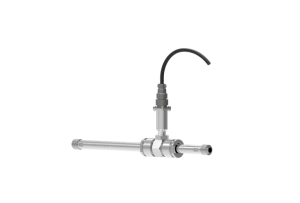
As a supplier of BTU meters, I've had the privilege of working closely with these devices, witnessing their critical role in energy management and consumption measurement. BTU meters are indispensable tools for accurately quantifying the energy transferred in heating and cooling systems. However, like any complex technology, they are not immune to faults. In this blog, I'll delve into the common faults of a BTU meter, offering insights based on my hands - on experience in the field.
1. Sensor - related Faults
Incorrect Temperature Sensor Placement
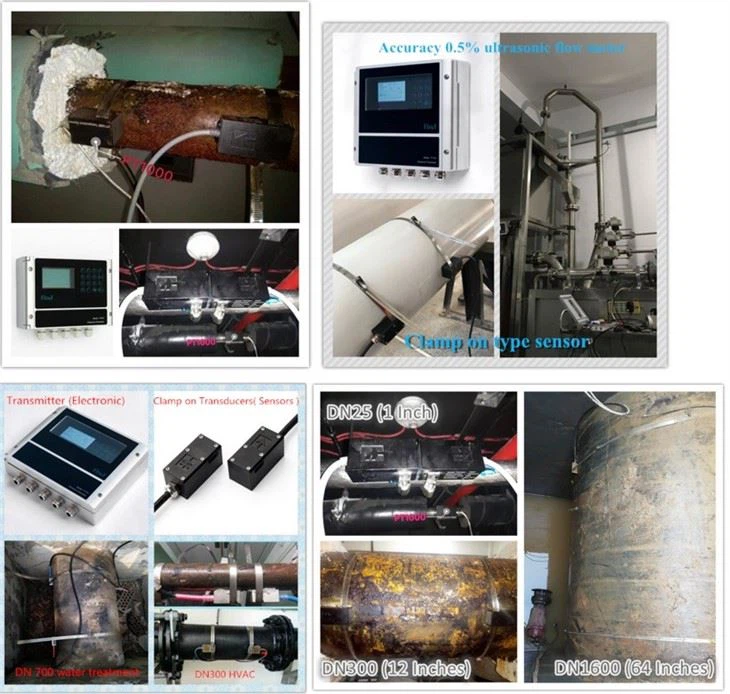
One of the most prevalent issues with BTU meters is improper temperature sensor placement. Temperature sensors are crucial components as they measure the temperature difference between the supply and return pipes in a heating or cooling system. If the sensors are not installed at the correct locations, the BTU meter will receive inaccurate temperature data.
For instance, if a temperature sensor is placed too close to a heat source or in an area with poor fluid mixing, it may not accurately represent the average temperature of the fluid. This can lead to significant errors in the calculated BTU value. To mitigate this issue, it is essential to follow the manufacturer's guidelines for sensor placement, ensuring that they are installed in areas with uniform fluid flow and away from any sources of interference.
Sensor Calibration Drift
Over time, temperature and flow sensors in a BTU meter can experience calibration drift. Calibration drift occurs when the sensor's output deviates from its original calibrated values. This can be caused by a variety of factors, including environmental conditions, aging of the sensor components, and electrical interference.
When calibration drift occurs, the BTU meter will provide inaccurate readings, which can lead to incorrect billing and inefficient energy management. Regular calibration checks are necessary to detect and correct any calibration drift. As a supplier, we recommend that our customers schedule periodic calibration services to ensure the accuracy of their BTU meters.
2. Flow Meter Faults
Flow Meter Blockage
Flow meters in BTU meters can become blocked due to debris, sediment, or scale buildup in the pipes. Blockages can restrict the flow of fluid through the meter, leading to inaccurate flow rate measurements. This, in turn, will affect the calculation of the BTU value.
To prevent flow meter blockages, it is important to install proper filtration systems in the heating or cooling system. Regular maintenance, including pipe flushing and inspection, can also help to identify and remove any potential blockages before they cause significant problems.
Flow Meter Malfunction
Flow meters can malfunction due to mechanical failures, electrical issues, or software glitches. Mechanical failures can occur in meters with moving parts, such as turbine or paddle - wheel flow meters. These parts can wear out over time, leading to inaccurate flow measurements.
Electrical issues, such as loose connections or damaged wiring, can also cause flow meter malfunctions. Software glitches in digital flow meters can result in incorrect data processing and display. When a flow meter malfunctions, it is crucial to have it repaired or replaced as soon as possible to avoid further inaccuracies in the BTU measurements.
3. Communication and Data Transmission Faults
Wireless Communication Issues
Many modern BTU meters are equipped with wireless communication capabilities, allowing for remote data monitoring and management. However, wireless communication can be unreliable due to interference from other wireless devices, signal attenuation, or network congestion.
If the wireless communication between the BTU meter and the monitoring system is disrupted, data may not be transmitted accurately or in a timely manner. This can make it difficult for facility managers to monitor energy consumption effectively and make informed decisions. To address wireless communication issues, it is important to ensure that the BTU meter is installed in an area with good signal strength and to use appropriate wireless protocols and frequencies.
Data Logging and Storage Problems
BTU meters often have built - in data logging capabilities to record energy consumption data over time. However, data logging and storage problems can occur, such as insufficient memory, data corruption, or software bugs.
If data cannot be logged or stored correctly, it may be lost or become inaccessible. This can be a significant problem for auditing and energy management purposes. Regular data backups and software updates can help to prevent data logging and storage problems.
4. Power Supply Faults
Unstable Power Supply
BTU meters require a stable power supply to operate correctly. An unstable power supply, such as voltage fluctuations or power outages, can cause the meter to malfunction or lose data.
Power surges can damage the electronic components of the BTU meter, while power outages can interrupt data logging and communication. To protect the BTU meter from power supply issues, it is recommended to use a surge protector and an uninterruptible power supply (UPS).
Battery - Powered Meter Issues
Some BTU meters are battery - powered, which offers the advantage of easy installation and mobility. However, battery - powered meters can face issues such as battery depletion, battery leakage, or poor battery performance.
If the battery in a BTU meter runs out, the meter will stop functioning, and data may be lost. Regular battery checks and replacements are necessary to ensure the continuous operation of battery - powered BTU meters.
Solutions and Recommendations
To address these common faults, we, as a BTU meter supplier, offer comprehensive support services. We provide detailed installation guides to ensure proper sensor placement and flow meter installation. Our technicians are available for on - site calibration services to maintain the accuracy of the meters.
We also recommend the use of high - quality filtration systems to prevent flow meter blockages. For communication issues, we can assist in optimizing the wireless network setup and provide software updates to resolve any data logging or storage problems.
In addition, we offer a range of reliable power supply solutions, including surge protectors and UPS systems, to safeguard the BTU meters from power - related issues. For battery - powered meters, we provide information on proper battery maintenance and replacement schedules.
If you are interested in learning more about our BTU meters or need assistance with fault diagnosis and repair, we encourage you to contact us for a detailed discussion. Our team of experts is ready to help you find the best solutions for your energy measurement needs.
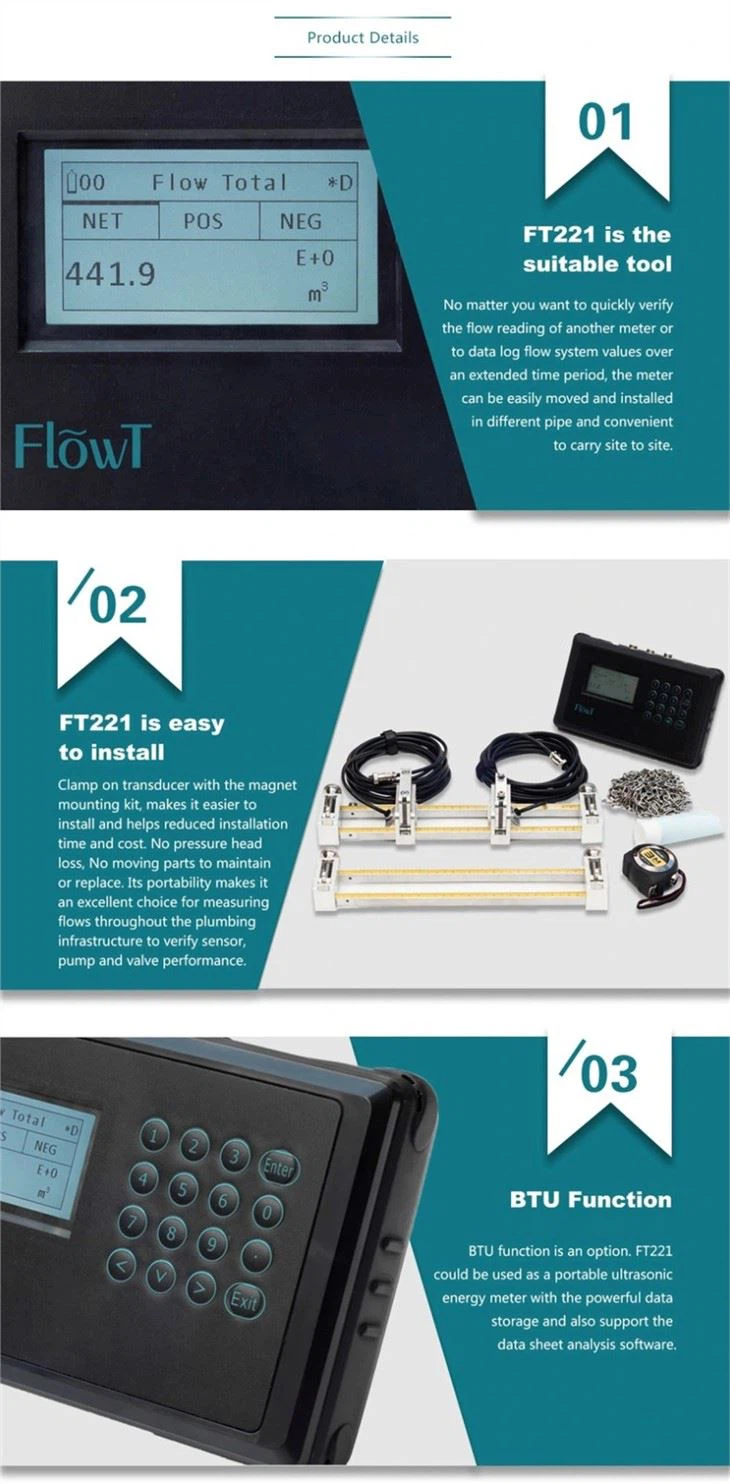
We also offer a variety of high - quality products related to BTU measurement. For instance, our Ultrasonic Flow Meter Portable Flowmeter Portable is a versatile tool for accurate flow measurement. The Flowt Genuine Cheap Ultrasonic Flow Meter With Long - term Warranty provides cost - effective and reliable flow measurement solutions. And for more information on the application of ultrasonic flow meters, you can visit our Ultrasonic Flow Meter Application page.
If you are in the market for a reliable BTU meter or need to upgrade your existing system, we invite you to contact us for a procurement discussion. Our sales team will be happy to provide you with detailed product information, pricing, and a customized solution based on your specific requirements.
References
- "Handbook of Flow Measurement" by Richard W. Miller
- "Energy Management Handbook" by Wayne C. Turner
- Manufacturer's manuals and technical documents for BTU meters.