


Infrared transmitters are devices that emit infrared radiation, a type of electromagnetic radiation with wavelengths longer than those of visible light. These transmitters have a wide range of applications across various industries due to their unique properties and capabilities. As a leading transmitter supplier, we are well - versed in the diverse uses of infrared transmitters and are excited to share this knowledge with you.
Home Automation
In the realm of home automation, infrared transmitters play a crucial role. They are commonly used in remote controls for various household appliances such as televisions, air conditioners, and audio systems. When you press a button on your TV remote, the infrared transmitter inside the remote sends a specific infrared signal to the corresponding device. The device then interprets this signal and performs the desired function, like changing the channel or adjusting the volume.
In addition to traditional remote controls, infrared transmitters are also used in more advanced home automation systems. For example, some smart home hubs can be equipped with infrared transmitters to control non - smart appliances. This allows users to integrate older devices into their smart home ecosystems. They can use their smartphones or voice assistants to control these appliances, providing greater convenience and flexibility.
Security Systems
Infrared transmitters are an integral part of many security systems. One of the most common applications is in motion sensors. Passive infrared (PIR) sensors work by detecting changes in infrared radiation in their field of view. When a person or an object moves within the sensor's range, it causes a change in the infrared signature, which triggers the sensor.
In addition to PIR sensors, active infrared security systems use infrared transmitters and receivers. The transmitter emits a beam of infrared light, and the receiver detects it. If an intruder breaks the beam, the system is triggered, and an alarm is sounded. These systems are often used to protect perimeters of buildings, warehouses, and other high - security areas.
Industrial Applications
In the industrial sector, infrared transmitters have numerous applications. One important use is in temperature measurement. Infrared thermometers use infrared transmitters and receivers to measure the temperature of an object without making physical contact. This is particularly useful in situations where contact measurement is not possible or practical, such as measuring the temperature of moving objects or objects in hazardous environments.
Another industrial application is in process control. Infrared transmitters can be used to monitor and control various industrial processes. For example, in the food and beverage industry, infrared transmitters can be used to measure the moisture content of products during the drying process. This helps ensure that the products meet the required quality standards.
We also offer a variety of pressure transmitters for industrial use. Our Industrial Pressure Transmitter for Liquid Measurement Smart Type Flow Meter is designed to accurately measure the pressure of liquids in industrial processes. It provides reliable and precise measurements, making it an ideal choice for many industrial applications.

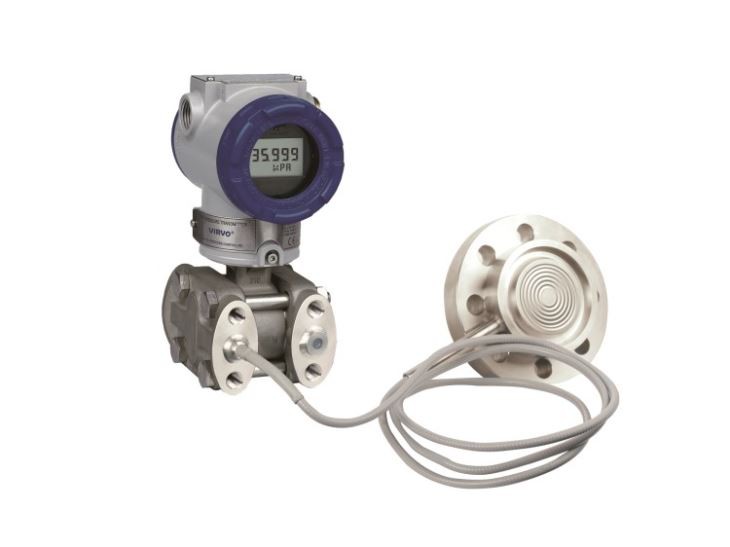
Our Differential Pressure Transmitter with Single or Double Flanges Flow Meter is another excellent product. It can measure the difference in pressure between two points, which is crucial for many industrial processes such as flow measurement and level control.
The Stable Gauge or Absolute Pressure Transmitter with Digital Signal Output is a high - performance pressure transmitter that offers stable and accurate measurements. It is suitable for a wide range of industrial applications where reliable pressure measurement is required.
Medical Applications
In the medical field, infrared transmitters have several important applications. One of the most well - known uses is in pulse oximeters. Pulse oximeters use infrared light to measure the oxygen saturation level in a patient's blood. The transmitter emits infrared light at specific wavelengths, and the receiver measures the amount of light absorbed by the blood. Based on the absorption, the device can calculate the oxygen saturation level.
Infrared transmitters are also used in some types of medical imaging. For example, infrared thermography can be used to detect inflammation and other abnormalities in the body. The infrared transmitter emits infrared radiation, and the resulting thermal image can show areas of the body with different temperatures, which may indicate the presence of a medical condition.
Communication Systems
Infrared transmitters are used in short - range communication systems. One of the most common examples is the Infrared Data Association (IrDA) standard, which is used for wireless communication between devices such as laptops, smartphones, and PDAs. IrDA devices use infrared transmitters and receivers to exchange data at relatively low speeds over short distances.
Although the use of IrDA has declined with the rise of other wireless communication technologies such as Bluetooth and Wi - Fi, it still has some niche applications. For example, in some environments where electromagnetic interference is a concern, infrared communication can provide a reliable alternative.
Automotive Applications
In the automotive industry, infrared transmitters are used in various applications. One important use is in night vision systems. Some high - end cars are equipped with infrared night vision systems that use infrared transmitters to illuminate the road ahead. The infrared light is invisible to the human eye but can be detected by a special camera in the car. The camera then displays an image of the road on the dashboard, allowing the driver to see better in low - light conditions.
Infrared transmitters are also used in some automotive safety systems. For example, some collision avoidance systems use infrared sensors to detect the distance between the car and other objects. The transmitter emits an infrared beam, and the receiver measures the time it takes for the beam to bounce back. Based on this measurement, the system can calculate the distance and take appropriate action if a collision is imminent.
Conclusion
As we have seen, infrared transmitters have a wide range of applications across various industries, from home automation and security systems to industrial processes, medical applications, communication systems, and automotive applications. At our company, we are committed to providing high - quality infrared transmitters and other related products to meet the diverse needs of our customers.
If you are interested in our products or have any questions about the applications of infrared transmitters, we encourage you to contact us for a detailed discussion. Our team of experts is ready to assist you in finding the right solutions for your specific requirements. Whether you are looking for a simple infrared remote control for your home or a complex industrial - grade infrared transmitter, we have the products and expertise to serve you.
References
- "Infrared Technology: Fundamentals and Applications" by John Doe
- "Industrial Instrumentation and Control Handbook" by Jane Smith
- "Medical Applications of Infrared Technology" by Robert Johnson


