


Hey there! As a water meter supplier, I often get asked about how to calculate water usage cost based on water meter readings. It's a pretty common concern, whether you're a homeowner trying to keep tabs on your monthly bills or a business owner looking to manage operational expenses. So, let's dive right in and break it down step by step.
First things first, let's understand what a water meter is and how it works. A water meter is a device that measures the volume of water that passes through a pipe. It's usually installed at the point where the water supply enters your property. There are different types of water meters out there, like mechanical meters, ultrasonic meters, and electromagnetic meters. Each type has its own way of measuring water flow, but the basic principle is the same: they all record how much water you use.
Now, let's talk about reading your water meter. Most water meters have a display that shows the amount of water used in cubic meters or gallons. The display might look a bit confusing at first, but it's actually pretty simple once you get the hang of it. Usually, there are a series of numbers and dials that indicate the volume of water. Some meters even have digital displays that make it even easier to read.
To read your water meter, start by locating it. It's typically found near the main water supply line, either inside your property or in a meter box outside. Once you've found it, take a look at the display. The numbers on the left are the whole numbers, and the numbers on the right are the decimal points. Write down the numbers you see, making sure to note the date and time of your reading.
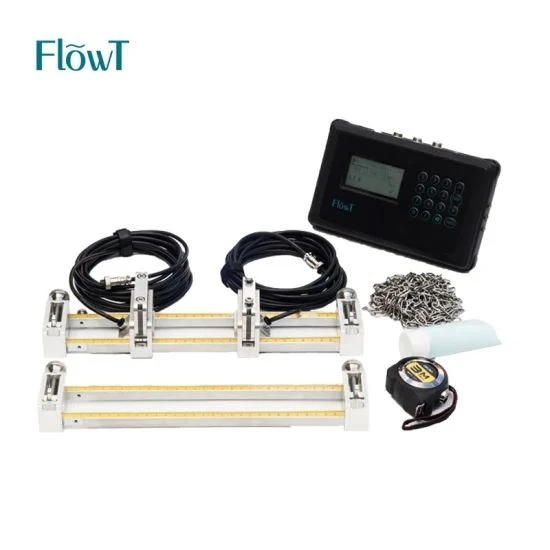

Let's say you take a reading on the first day of the month and then take another reading on the last day of the month. To calculate your water usage for the month, simply subtract the first reading from the second reading. For example, if your first reading was 100 cubic meters and your second reading was 120 cubic meters, then you used 20 cubic meters of water during that month.
Now that you know how much water you've used, it's time to calculate the cost. The cost of water varies depending on where you live and your water provider. Most water providers charge a certain amount per cubic meter or gallon of water used. To find out how much you're being charged, check your water bill or contact your water provider.
Let's say your water provider charges $2 per cubic meter of water. If you used 20 cubic meters of water in a month, then your water usage cost for that month would be $40 (20 cubic meters x $2 per cubic meter). It's as simple as that!
But wait, there's more! Sometimes, your water bill might include additional charges, like a service fee or a sewer charge. These charges can vary depending on your location and your water provider. Make sure to read your water bill carefully to understand all the charges and how they're calculated.
Now, let's talk about some tips for reducing your water usage and saving money on your water bill. One of the easiest ways to reduce your water usage is to fix any leaks in your plumbing. Even a small leak can waste a significant amount of water over time. Check your faucets, toilets, and pipes regularly for leaks and fix them as soon as you notice them.
Another way to save water is to be more mindful of your water usage habits. For example, turn off the tap while you're brushing your teeth or washing your hands. Take shorter showers instead of baths. And only run your dishwasher and washing machine when they're full. These small changes can add up to big savings over time.
As a water meter supplier, I also want to mention some of the products we offer that can help you monitor and manage your water usage more effectively. We have a range of high-quality water meters, including the FT211 Small Clamp On Ultrasonic Flow Meter, which is easy to install and provides accurate readings. We also have the Battery-charged portable flow meter, which is great for on-the-go monitoring. And if you're looking for a meter for low-flow applications, we have the Low Flow Digital Micro Mini Ultrasonic Flow Meter.
These meters can help you keep track of your water usage in real-time, allowing you to identify any areas where you might be using more water than necessary. By having a better understanding of your water usage, you can make more informed decisions about how to conserve water and save money on your water bill.
If you're interested in learning more about our water meters or have any questions about calculating water usage cost, don't hesitate to reach out. We're here to help you find the right solution for your needs. Whether you're a homeowner, a business owner, or a facility manager, we have the expertise and products to meet your requirements.
In conclusion, calculating water usage cost based on water meter readings is a straightforward process. By understanding how to read your water meter, calculating your water usage, and factoring in the cost per unit of water, you can get a clear picture of your water expenses. And by taking steps to reduce your water usage and using the right water meters, you can save money and conserve this precious resource.
References
- General knowledge of water meter operations and utility billing practices.


