


The calibration of steam meters is a critical aspect in ensuring accurate measurement of steam flow, which is essential for various industrial processes. As a steam meter supplier, I often receive inquiries from customers regarding the optimal calibration frequency. In this blog, I will delve into the factors that influence the calibration frequency of steam meters and provide some general guidelines to help you determine how often your steam meter should be calibrated.
Importance of Steam Meter Calibration
Steam is a widely used energy source in industries such as power generation, chemical processing, food and beverage, and pharmaceuticals. Accurate measurement of steam flow is crucial for process control, energy management, and cost accounting. A steam meter that is not calibrated correctly can lead to inaccurate readings, which can result in inefficient processes, increased energy consumption, and financial losses.
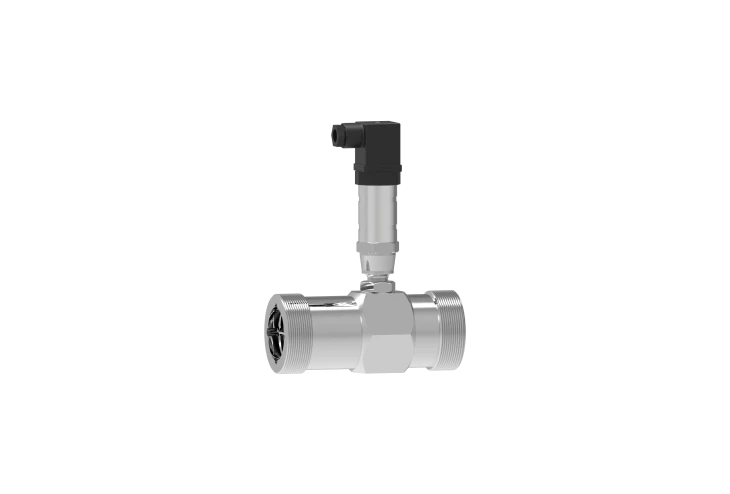

Calibration is the process of comparing the measurement of a steam meter against a known standard to ensure its accuracy. During calibration, any deviations from the standard are identified and corrected, ensuring that the steam meter provides reliable and consistent measurements. Regular calibration helps to maintain the performance of the steam meter over time and ensures compliance with industry standards and regulations.
Factors Affecting Calibration Frequency
The calibration frequency of a steam meter depends on several factors, including the type of steam meter, the operating conditions, the accuracy requirements, and the manufacturer's recommendations. Let's take a closer look at each of these factors:
Type of Steam Meter
There are several types of steam meters available in the market, each with its own unique operating principle and performance characteristics. The most common types of steam meters include orifice plate meters, vortex flow meters, turbine flow meters, and ultrasonic flow meters.
- Orifice Plate Meters: Orifice plate meters are one of the oldest and most widely used types of steam meters. They operate based on the principle of creating a pressure drop across an orifice plate inserted in the steam pipeline. Orifice plate meters are relatively simple and inexpensive, but they are prone to wear and tear, which can affect their accuracy over time. As a result, orifice plate meters typically require more frequent calibration, usually every 1 to 2 years.
- Vortex Flow Meters: Vortex flow meters operate based on the principle of generating vortices in the steam flow as it passes through a bluff body. The frequency of the vortices is proportional to the steam flow rate, which is measured by a sensor. Vortex flow meters are known for their high accuracy, wide turndown ratio, and low maintenance requirements. They typically require less frequent calibration, usually every 2 to 3 years. For more information on vortex flow meters, you can visit our website: High Temperature Flow Meter Vortex Meter.
- Turbine Flow Meters: Turbine flow meters operate based on the principle of measuring the rotation speed of a turbine rotor as the steam flow passes through it. The rotation speed of the turbine rotor is proportional to the steam flow rate, which is measured by a sensor. Turbine flow meters are known for their high accuracy and fast response time, but they are also prone to wear and tear, especially in high-velocity steam flows. They typically require more frequent calibration, usually every 1 to 2 years. For more information on turbine flow meters, you can visit our website: Sanitary Hersman Liquid Turbine Flowmeter.
- Ultrasonic Flow Meters: Ultrasonic flow meters operate based on the principle of measuring the time difference between ultrasonic signals transmitted upstream and downstream in the steam flow. The time difference is proportional to the steam flow rate, which is measured by a sensor. Ultrasonic flow meters are known for their non-invasive installation, high accuracy, and wide turndown ratio. They typically require less frequent calibration, usually every 3 to 5 years.
Operating Conditions
The operating conditions of a steam meter can also have a significant impact on its calibration frequency. Factors such as temperature, pressure, flow rate, and steam quality can affect the performance of the steam meter over time.
- Temperature and Pressure: High temperatures and pressures can cause thermal expansion and contraction of the steam meter components, which can affect their accuracy. In addition, high temperatures can also cause the steam to become superheated, which can change its physical properties and affect the measurement accuracy. As a result, steam meters operating at high temperatures and pressures typically require more frequent calibration.
- Flow Rate and Turndown Ratio: The flow rate and turndown ratio of a steam meter can also affect its calibration frequency. Steam meters operating at low flow rates or with a wide turndown ratio may require more frequent calibration to ensure accurate measurement across the entire flow range.
- Steam Quality: The quality of the steam, including its moisture content, entrained particles, and chemical composition, can also affect the performance of the steam meter. Steam with high moisture content or entrained particles can cause erosion and corrosion of the steam meter components, which can affect their accuracy over time. As a result, steam meters operating in such conditions typically require more frequent calibration.
Accuracy Requirements
The accuracy requirements of a steam meter depend on the specific application and the industry standards and regulations. Some applications, such as power generation and chemical processing, require high accuracy steam meters to ensure efficient process control and energy management. Other applications, such as general industrial use, may have less stringent accuracy requirements.
The higher the accuracy requirements, the more frequent the calibration frequency. For applications requiring high accuracy, steam meters may need to be calibrated annually or even more frequently. For applications with less stringent accuracy requirements, steam meters may be calibrated every 2 to 3 years.
Manufacturer's Recommendations
The manufacturer of the steam meter typically provides recommendations regarding the calibration frequency based on the type of steam meter, the operating conditions, and the accuracy requirements. It is important to follow the manufacturer's recommendations to ensure the optimal performance of the steam meter and to maintain its warranty.
In addition to the manufacturer's recommendations, it is also a good idea to consult with an experienced steam meter calibration service provider. They can help you determine the appropriate calibration frequency based on your specific application and operating conditions.
General Guidelines for Calibration Frequency
Based on the factors discussed above, here are some general guidelines for the calibration frequency of steam meters:
- Orifice Plate Meters: 1 to 2 years
- Vortex Flow Meters: 2 to 3 years
- Turbine Flow Meters: 1 to 2 years
- Ultrasonic Flow Meters: 3 to 5 years
These guidelines are based on typical operating conditions and accuracy requirements. However, it is important to note that the actual calibration frequency may vary depending on the specific application and the operating conditions.
Conclusion
The calibration frequency of a steam meter is an important consideration in ensuring accurate measurement of steam flow and maintaining the efficiency of industrial processes. The calibration frequency depends on several factors, including the type of steam meter, the operating conditions, the accuracy requirements, and the manufacturer's recommendations.
As a steam meter supplier, we recommend following the manufacturer's recommendations and consulting with an experienced steam meter calibration service provider to determine the appropriate calibration frequency for your specific application. By doing so, you can ensure the optimal performance of your steam meter and avoid costly downtime and inefficiencies.
If you are interested in purchasing a steam meter or need more information about steam meter calibration, please feel free to contact us. Our team of experts will be happy to assist you with your needs.
References
- ASME MFC-3M - Measurement of Fluid Flow in Closed Conduits Using Orifice, Nozzle, and Venturi
- ISO 5167 - Measurement of fluid flow by means of pressure differential devices inserted in circular cross-section conduits running full
- API 2530 - Installation of Liquid Metering Systems for Petroleum and Petroleum Products


