


Vortex flow is a fascinating and complex fluid dynamic phenomenon that finds numerous applications across various industries, from chemical processing to power generation. As a leading vortex flow supplier, we've witnessed firsthand the critical role that inlet conditions play in shaping the behavior of vortex flow within a chamber. In this blog post, we'll delve into the science behind how inlet conditions affect vortex flow, explore real - world implications, and discuss how our products can address these challenges.
Fundamentals of Vortex Flow in a Chamber
Before we dive into the influence of inlet conditions, let's briefly review what vortex flow is. A vortex is a region in a fluid where the flow revolves around an axis line. In a chamber, vortex flow can be generated by various means, such as the interaction of fluid streams or the presence of obstacles. The swirling motion of the fluid in a vortex can have significant impacts on heat transfer, mixing, and flow measurement.
Vortex flow meters, for example, rely on the principle of vortex shedding. When a fluid flows past a bluff body (an object that disrupts the flow), vortices are alternately shed from either side of the body. The frequency of these shed vortices is proportional to the fluid velocity, allowing for accurate flow measurement. However, the accuracy and stability of this measurement are highly dependent on the quality of the vortex flow, which in turn is affected by the inlet conditions.
Impact of Inlet Velocity
One of the most fundamental inlet conditions is the velocity of the fluid entering the chamber. The inlet velocity determines the initial momentum of the fluid and has a direct impact on the formation and strength of the vortex. At low inlet velocities, the fluid may not have enough energy to form a well - defined vortex. The flow may be laminar or only exhibit weak swirling patterns, which can lead to inaccurate flow measurements in vortex flow meters.
On the other hand, if the inlet velocity is too high, the vortex may become unstable. High - velocity flows can cause excessive turbulence, which can disrupt the regular shedding of vortices. This instability can result in erratic frequency measurements and reduced accuracy. For instance, in a Sanitary Hersman Liquid Turbine Flowmeter, improper inlet velocity can lead to inconsistent readings, affecting the overall performance of the system.
Inlet Flow Profile
The flow profile at the inlet of the chamber also plays a crucial role in vortex flow. An ideal inlet flow profile is uniform, with the fluid velocity being the same across the entire cross - section of the inlet. However, in real - world applications, achieving a perfectly uniform flow profile is often challenging. Non - uniform flow profiles can be caused by factors such as bends, valves, or other upstream components.
When the inlet flow profile is non - uniform, it can lead to an uneven distribution of momentum within the chamber. This can cause the vortex to form asymmetrically, with one side of the vortex being stronger than the other. As a result, the frequency of vortex shedding may become irregular, and the accuracy of flow measurement can be compromised. Our Vortex Flow Meter with SS304 Sensor Application in Steam Flange Connection is designed to minimize the effects of non - uniform flow profiles, but proper installation and upstream piping design are still essential to ensure optimal performance.
Inlet Turbulence
Turbulence at the inlet is another factor that can significantly affect vortex flow. Turbulence is characterized by chaotic and irregular fluid motion. When turbulent fluid enters the chamber, it can disrupt the formation and stability of the vortex. High levels of inlet turbulence can cause the vortices to break up or merge prematurely, leading to inaccurate flow measurements.
To mitigate the effects of inlet turbulence, flow conditioners are often used. A flow conditioner is a device installed upstream of the chamber that helps to straighten and smooth the flow. By reducing the turbulence intensity, flow conditioners can improve the quality of the vortex flow and enhance the accuracy of flow measurement. Our Vortex Steam Flow Meter can be paired with appropriate flow conditioners to ensure reliable performance even in high - turbulence environments.
Real - World Applications and Considerations
In industrial applications, understanding the impact of inlet conditions on vortex flow is crucial for ensuring the efficient and accurate operation of systems. For example, in a chemical processing plant, accurate flow measurement is essential for controlling the dosage of chemicals. If the inlet conditions are not properly managed, the vortex flow meters may provide inaccurate readings, leading to over - or under - dosing of chemicals, which can have serious consequences for product quality and process safety.
In power generation, vortex flow meters are used to measure the flow of steam and other fluids. The performance of these meters can directly affect the efficiency of the power plant. By optimizing the inlet conditions, power plant operators can improve the accuracy of flow measurement, leading to better control of the power generation process and increased energy efficiency.

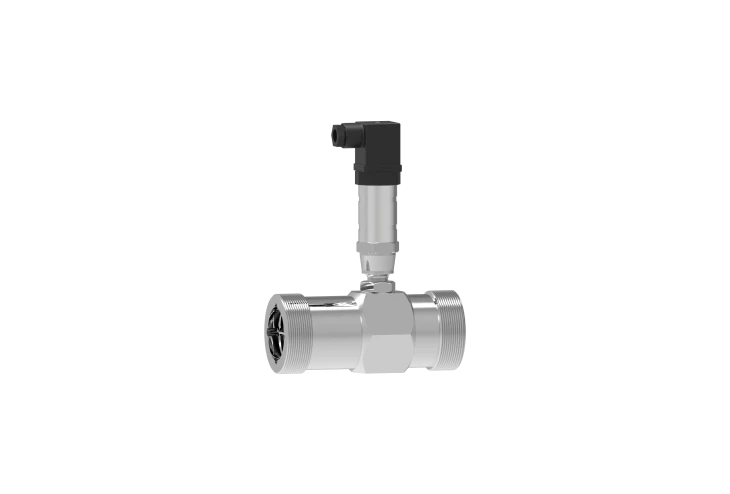
Our Solutions as a Vortex Flow Supplier
As a leading vortex flow supplier, we offer a range of products and services designed to address the challenges posed by inlet conditions. Our vortex flow meters are engineered with advanced technology to minimize the effects of non - ideal inlet conditions. We also provide comprehensive technical support to help our customers select the right products and ensure proper installation.
For customers facing issues with non - uniform flow profiles or high inlet turbulence, we can recommend and supply appropriate flow conditioners. Our team of experts can work with you to design the optimal piping layout and installation configuration to ensure the best possible performance of our vortex flow meters.
Conclusion
In conclusion, the inlet conditions have a profound impact on vortex flow in a chamber. Inlet velocity, flow profile, and turbulence all play critical roles in determining the formation, stability, and accuracy of vortex flow. Understanding these factors is essential for industries that rely on vortex flow measurement for process control and optimization.
As a vortex flow supplier, we are committed to providing high - quality products and solutions that can overcome the challenges posed by inlet conditions. Whether you are in the chemical, power, or other industries, our vortex flow meters and related products can help you achieve accurate and reliable flow measurement.
If you are interested in learning more about our vortex flow products or have specific requirements for your application, we encourage you to contact us for a detailed discussion. Our team of experts is ready to assist you in finding the best solutions for your needs.
References
- White, F. M. (2006). Fluid Mechanics. McGraw - Hill.
- Miller, R. W. (1996). Flow Measurement Engineering Handbook. McGraw - Hill.
- Streeter, V. L., & Wylie, E. B. (1985). Fluid Mechanics. McGraw - Hill.


