


Are there any regulations for using transmitters? That's a question I get asked a lot as a transmitter supplier. And let me tell you, it's a pretty important one. In this blog post, I'm gonna break down the ins and outs of transmitter regulations, and how they might affect you.
First off, what exactly is a transmitter? Well, in simple terms, a transmitter is a device that converts a physical parameter, like pressure, temperature, or flow, into an electrical signal. These signals can then be used for monitoring, control, or data logging purposes. There are all sorts of transmitters out there, from Stable Gauge or Absolute Pressure Transmitter with Digital Signal Output to Pressure Transmitter with Hart Protocol for Water Measurement and Industrial Pressure Transmitter for Liquid Measurement Smart Type Flow Meter. Each type has its own specific applications and requirements.
Now, let's talk about regulations. Regulations for using transmitters vary depending on the industry, the location, and the type of transmitter. For example, in the oil and gas industry, there are strict regulations regarding the safety and reliability of transmitters used in hazardous environments. These regulations are in place to prevent accidents and protect workers and the environment.
In the United States, the Occupational Safety and Health Administration (OSHA) and the Environmental Protection Agency (EPA) have a big say in how transmitters are used. OSHA sets standards for workplace safety, which includes the proper installation, maintenance, and use of transmitters. The EPA, on the other hand, focuses on environmental protection, so transmitters used in processes that could potentially impact the environment need to meet certain standards.
In the European Union, the situation is similar. The EU has its own set of regulations, such as the ATEX directive, which applies to equipment used in explosive atmospheres. If you're using transmitters in an ATEX - compliant environment, you need to make sure your devices meet the necessary requirements.
So, how do these regulations affect you as a user or a buyer of transmitters? Well, if you're in an industry that's highly regulated, you need to ensure that the transmitters you purchase meet all the relevant standards. This means working with a supplier who can provide you with detailed information about the compliance of their products.
As a transmitter supplier, I understand the importance of these regulations. That's why I always make sure that all the transmitters I offer are compliant with the latest industry standards. Whether it's the ATEX directive, OSHA requirements, or any other regulatory framework, I've got you covered.
When it comes to installation, regulations also play a key role. Improper installation can not only void the warranty of the transmitter but also pose a safety risk. For example, some transmitters need to be installed at a certain height or in a specific orientation to function correctly. There are also requirements for grounding and electrical connections to prevent electrical hazards.
Maintenance is another area where regulations come into play. Regular maintenance is essential to keep transmitters functioning properly and to ensure compliance with safety and environmental standards. This might involve calibration, inspection, and replacement of parts as needed.

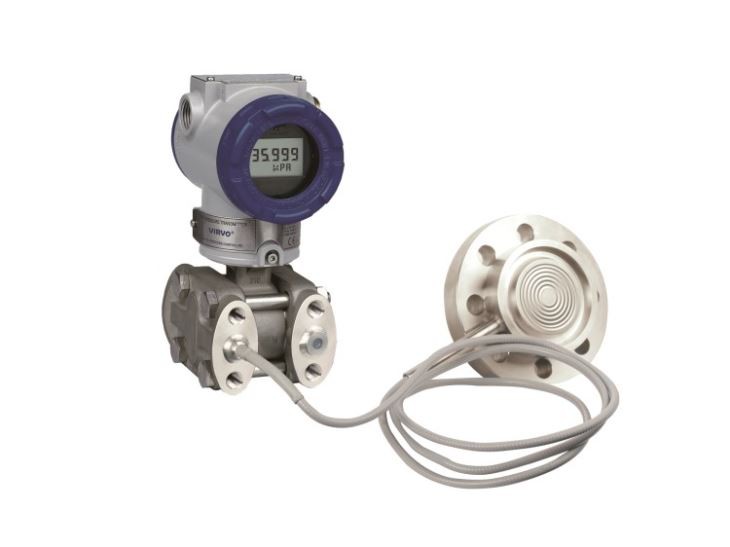
Let's take a closer look at some of the specific regulations for different types of transmitters. Pressure transmitters, for instance, are widely used in many industries. In the food and beverage industry, pressure transmitters need to be made of materials that are safe for contact with food. They also need to be easy to clean to prevent contamination.
Temperature transmitters are also subject to regulations. In the pharmaceutical industry, accurate temperature monitoring is crucial for the storage and processing of drugs. Temperature transmitters used in these applications need to be highly accurate and reliable to ensure the quality and safety of the products.
Flow transmitters are used in various processes, from water treatment to chemical manufacturing. Regulations for flow transmitters often focus on accuracy, repeatability, and the ability to measure different types of fluids.
Now, you might be wondering how you can find out which regulations apply to your specific situation. The first step is to do some research. Look into the regulations that are relevant to your industry and location. You can also consult with industry associations, regulatory agencies, or a professional engineer.
As a supplier, I'm always happy to help my customers understand the regulations. I can provide you with product documentation that shows the compliance of my transmitters, and I can also offer advice on installation and maintenance to ensure that you're meeting all the requirements.
If you're in the market for transmitters, it's important to choose a supplier who takes regulations seriously. A good supplier will not only offer high - quality, compliant products but also provide excellent customer support. They'll be able to answer your questions, help you with installation and maintenance, and keep you updated on any changes in the regulatory environment.
I know that dealing with regulations can be a hassle, but it's an essential part of using transmitters safely and effectively. By working with a reliable supplier and staying informed about the regulations, you can avoid costly mistakes and ensure the smooth operation of your processes.
So, if you're looking for transmitters that are compliant with all the necessary regulations, look no further. I've got a wide range of transmitters to choose from, including Stable Gauge or Absolute Pressure Transmitter with Digital Signal Output, Pressure Transmitter with Hart Protocol for Water Measurement, and Industrial Pressure Transmitter for Liquid Measurement Smart Type Flow Meter.
If you have any questions or if you're interested in purchasing transmitters, don't hesitate to reach out. I'm here to help you find the right solution for your needs and to ensure that you're fully compliant with all the relevant regulations. Let's work together to make your operations safer and more efficient.
References
- Occupational Safety and Health Administration (OSHA)
- Environmental Protection Agency (EPA)
- European Union ATEX Directive


