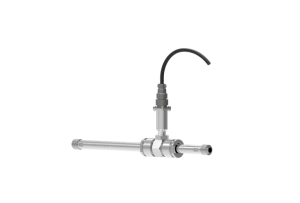
Safety is of utmost importance when using air meters, whether in industrial settings, laboratories, or other applications. As a leading air meters supplier, we understand the critical role that proper safety precautions play in ensuring accurate measurements and protecting both personnel and equipment. In this blog post, we will discuss the key safety measures that should be taken when using air meters.
1. Pre - use Inspection
Before using an air meter, a thorough pre - use inspection is essential. This inspection helps to identify any potential issues that could compromise the safety and accuracy of the measurement.
- Physical Condition: Check the air meter for any visible signs of damage, such as cracks, dents, or loose parts. A damaged air meter may not function correctly and could pose a safety hazard. For example, a cracked housing could expose internal components to dust or moisture, leading to electrical malfunctions.
- Calibration: Ensure that the air meter is properly calibrated. An uncalibrated air meter can provide inaccurate readings, which can have serious consequences in applications where precise air flow measurements are required. Calibration should be performed regularly according to the manufacturer's recommendations. You can refer to our Gas Mass Flow Meter Air Flow Measure for more information on accurate air flow measurement.
- Power Supply: If the air meter is powered by electricity, check the power cord for any signs of fraying or damage. Use only the recommended power source and ensure that the voltage and frequency are compatible with the air meter's specifications. For battery - powered air meters, check the battery level and replace the batteries if necessary.
2. Personal Protective Equipment (PPE)
Wearing appropriate personal protective equipment is crucial when using air meters, especially in hazardous environments.
- Safety Glasses: Safety glasses protect the eyes from flying debris, dust, and chemical splashes. In industrial settings where air meters are used to measure air flow in areas with potential airborne particles, safety glasses are a must.
- Gloves: Depending on the nature of the application, gloves may be required to protect the hands from chemicals, heat, or cold. For example, when using an air meter in a chemical laboratory, chemical - resistant gloves should be worn to prevent skin contact with hazardous substances.
- Respirators: In environments where there are harmful gases or vapors, respirators should be worn to protect the lungs. Before using a respirator, ensure that it is properly fitted and that the filter is appropriate for the type of contaminants present.
3. Installation and Setup
Proper installation and setup of the air meter are essential for both safety and accurate measurement.
- Mounting: Follow the manufacturer's instructions for mounting the air meter. Ensure that it is securely mounted in a location where it will not be subject to vibration, shock, or excessive heat. Incorrect mounting can cause the air meter to malfunction or provide inaccurate readings.
- Connection: Make sure all connections are properly made. For example, if the air meter is connected to a pipe or duct, ensure that the connections are airtight to prevent air leaks. Leaks can affect the accuracy of the measurement and may also pose a safety hazard if the air contains harmful substances. Our Insertion Type Thermal Mass Flow Meter Application in Oxygen or Air provides detailed information on the proper installation of insertion - type air meters.
- Ventilation: Ensure that the area where the air meter is installed is well - ventilated. This is especially important when measuring air flow in confined spaces or areas where there may be a build - up of hazardous gases. Good ventilation helps to prevent the accumulation of harmful substances and reduces the risk of explosion or fire.
4. Operating Procedures
Adhering to proper operating procedures is essential for the safe use of air meters.


- Read the Manual: Before using the air meter, read the user manual carefully. The manual contains important information on the operation, maintenance, and safety precautions of the air meter.
- Avoid Overloading: Do not exceed the maximum flow rate or pressure limits specified by the manufacturer. Overloading the air meter can cause damage to the equipment and may also pose a safety risk.
- Monitoring: Continuously monitor the air meter during operation. If you notice any abnormal readings, such as sudden spikes or drops in air flow, stop the operation immediately and investigate the cause. Our Thermal Mass Air Flow Meter Application in Air Measurement can provide insights into the normal operating parameters of thermal mass air flow meters.
5. Maintenance and Cleaning
Regular maintenance and cleaning of the air meter are necessary to ensure its proper functioning and longevity.
- Cleaning: Clean the air meter regularly to remove dust, dirt, and other contaminants. Use a soft, dry cloth or a mild cleaning solution recommended by the manufacturer. Avoid using abrasive materials or harsh chemicals, as they can damage the air meter.
- Calibration Checks: In addition to regular calibration, perform periodic calibration checks to ensure that the air meter is still providing accurate readings. If any discrepancies are found, have the air meter recalibrated immediately.
- Component Replacement: Replace worn or damaged components as soon as possible. This includes sensors, filters, and seals. Using a damaged component can affect the accuracy of the measurement and may also pose a safety risk.
6. Emergency Procedures
In case of an emergency, it is important to have a clear set of emergency procedures in place.
- Shutdown: Know how to quickly shut down the air meter in case of an emergency, such as a fire, explosion, or equipment malfunction.
- Evacuation: Familiarize yourself with the evacuation routes in the area where the air meter is being used. In case of a serious hazard, evacuate the area immediately and follow the emergency evacuation procedures.
- First Aid: Have first - aid supplies readily available in case of an injury. Ensure that at least one person in the area is trained in first - aid procedures.
Conclusion
Taking the appropriate safety precautions when using air meters is essential to protect personnel, equipment, and the environment. By following the guidelines outlined in this blog post, you can ensure the safe and accurate operation of your air meters. As a trusted air meters supplier, we are committed to providing high - quality products and supporting our customers with the necessary safety information. If you have any questions about our air meters or need further advice on safety precautions, please feel free to contact us for procurement and further discussions.
References
- Manufacturer's user manuals for air meters
- Occupational Safety and Health Administration (OSHA) guidelines on workplace safety
- Industry standards for air flow measurement and safety