


As a transmitter supplier, I often encounter questions from customers about the stability of transmitters. Stability is a crucial parameter in the performance of transmitters, which directly affects the accuracy and reliability of measurement results. In this blog, I will delve into what the stability of a transmitter is, why it matters, and how we ensure the high - stability of our transmitters.
Understanding Transmitter Stability
Transmitter stability refers to the ability of a transmitter to maintain consistent output over a certain period under specific operating conditions. It is a measure of how well the transmitter can resist changes in its performance due to various factors such as time, temperature, pressure, and electrical interference.
There are two main types of stability: short - term stability and long - term stability. Short - term stability typically refers to the stability of the transmitter output within a relatively short time frame, usually minutes to hours. It is mainly affected by factors like electrical noise, sudden changes in the measured variable, and short - term environmental fluctuations. For example, if a pressure transmitter is measuring the pressure in a pipeline where there are sudden surges in fluid flow, its short - term stability will determine how accurately it can track these changes without significant output fluctuations.
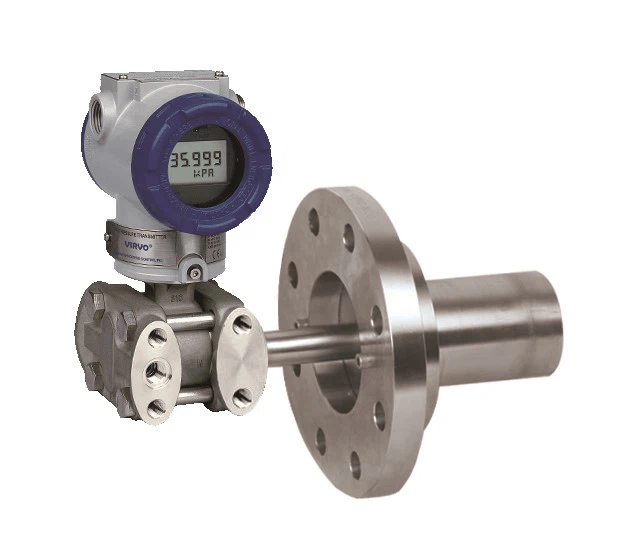

Long - term stability, on the other hand, is concerned with the performance of the transmitter over a longer period, ranging from months to years. Long - term stability is influenced by factors such as component aging, drift in electronic circuits, and cumulative effects of environmental conditions. A transmitter with good long - term stability will maintain its accuracy and reliability over an extended service life, reducing the need for frequent calibration and maintenance.
Why Transmitter Stability Matters
The importance of transmitter stability cannot be overstated, especially in industrial applications. In industries such as chemical processing, oil and gas, and power generation, accurate and reliable measurement of variables like pressure, temperature, and flow is essential for process control, safety, and product quality.
In chemical processing plants, for instance, precise pressure measurement is required to ensure the proper operation of reactors and pipelines. A transmitter with poor stability may provide inaccurate pressure readings, which can lead to process inefficiencies, product quality issues, and even safety hazards. Similarly, in the oil and gas industry, stable transmitters are crucial for well - head pressure monitoring, pipeline integrity management, and production optimization.
Moreover, in applications where regulatory compliance is required, such as environmental monitoring and food and beverage production, stable transmitters are necessary to ensure that measurement data meets the required standards. In environmental monitoring, accurate and stable measurement of air and water quality parameters is essential for regulatory reporting and pollution control.
Factors Affecting Transmitter Stability
Several factors can affect the stability of a transmitter. Here are some of the most common ones:
Temperature
Temperature is one of the most significant factors influencing transmitter stability. Changes in temperature can cause expansion or contraction of materials in the sensor and electronic circuits, leading to changes in resistance, capacitance, and other electrical properties. This, in turn, can result in output drift and reduced accuracy. To mitigate the effects of temperature, transmitters are often equipped with temperature compensation circuits. These circuits adjust the output of the transmitter based on the measured temperature to maintain stability over a wide temperature range.
Pressure
In pressure transmitters, the applied pressure itself can affect stability. High - pressure environments can cause mechanical stress on the sensor diaphragm, which may lead to creep and hysteresis. Creep refers to the gradual deformation of the diaphragm over time under constant pressure, while hysteresis is the difference in output when the pressure is increasing compared to when it is decreasing. To improve stability under pressure, high - quality materials and advanced manufacturing techniques are used to minimize these effects.
Electrical Interference
Electrical interference from sources such as electromagnetic fields, radio - frequency interference (RFI), and power - line noise can also affect transmitter stability. Interference can cause random fluctuations in the output signal, leading to inaccurate measurements. To protect against electrical interference, transmitters are designed with shielding and filtering techniques. Shielding materials are used to block external electromagnetic fields, while filtering circuits are used to remove unwanted frequencies from the signal.
Component Aging
Over time, the components in a transmitter, such as resistors, capacitors, and semiconductor devices, can age and degrade. This can result in changes in their electrical properties, leading to output drift and reduced stability. To ensure long - term stability, high - quality components with low aging rates are selected, and the transmitter is designed to minimize the impact of component aging.
How We Ensure Transmitter Stability as a Supplier
As a transmitter supplier, we take several measures to ensure the high stability of our products.
High - Quality Components
We source high - quality components from reputable suppliers. For example, in our pressure transmitters, we use precision sensors made from materials with excellent mechanical and electrical properties, such as stainless steel and silicon. These materials are highly resistant to corrosion, wear, and deformation, ensuring long - term stability under harsh operating conditions.
Advanced Manufacturing Processes
Our manufacturing processes are carefully controlled to ensure the consistency and quality of our transmitters. We use state - of - the - art manufacturing equipment and techniques, such as micro - machining and thin - film deposition, to fabricate the sensors and electronic circuits. These processes allow us to achieve high levels of precision and repeatability, which are essential for maintaining stability.
Rigorous Testing and Calibration
Before leaving the factory, each transmitter undergoes rigorous testing and calibration. We test the transmitters under various operating conditions, including different temperatures, pressures, and electrical environments, to ensure their stability and accuracy. Our calibration procedures are traceable to national and international standards, ensuring that the transmitters meet the required performance specifications.
Continuous Improvement
We are committed to continuous improvement in our products and processes. We invest in research and development to explore new technologies and materials that can further enhance the stability of our transmitters. We also collect feedback from our customers and use it to identify areas for improvement and make necessary adjustments to our products.
Our Stable Transmitter Products
We offer a wide range of transmitters with high stability to meet the diverse needs of our customers.
One of our popular products is the Pressure Transmitter with Hart Protocol for Water Measurement. This transmitter is specifically designed for water measurement applications and features a stable output even in the presence of water - related contaminants and varying flow rates. It uses the Hart protocol for communication, allowing for easy configuration and monitoring.
Another product is the Stable Gauge or Absolute Pressure Transmitter with Digital Signal Output. This transmitter provides a stable and accurate measurement of gauge or absolute pressure, with a digital signal output for easy integration with control systems. It is suitable for a wide range of industrial applications, including chemical processing, oil and gas, and power generation.
We also have the Industrial Pressure Transmitter for Liquid Measurement Smart Type Flow Meter. This transmitter is designed for liquid measurement applications and combines high stability with smart features such as self - diagnosis and remote calibration. It is an ideal choice for industries where accurate and reliable liquid measurement is required.
Contact Us for Procurement
If you are in need of high - stability transmitters for your industrial applications, we invite you to contact us for procurement. Our team of experts is ready to assist you in selecting the right transmitter for your specific needs and providing you with the best possible service. Whether you have a small - scale project or a large - scale industrial installation, we can offer you reliable solutions with high - quality transmitters.
References
- "Industrial Instrumentation and Control Handbook" by B. G. Liptak
- "Transducers and Arrays for Underwater Sound" by Malcolm C. Potter
- Technical papers on transmitter design and performance from leading industry conferences and journals


