


The lifespan of an air meter is a crucial consideration for businesses and industries that rely on accurate air flow measurement. As a leading air meter supplier, I understand the importance of providing reliable and long - lasting products to our customers. In this blog, we'll delve into the factors that influence the lifespan of an air meter, how to extend it, and what to expect in terms of durability.
Factors Affecting the Lifespan of an Air Meter
1. Quality of Construction
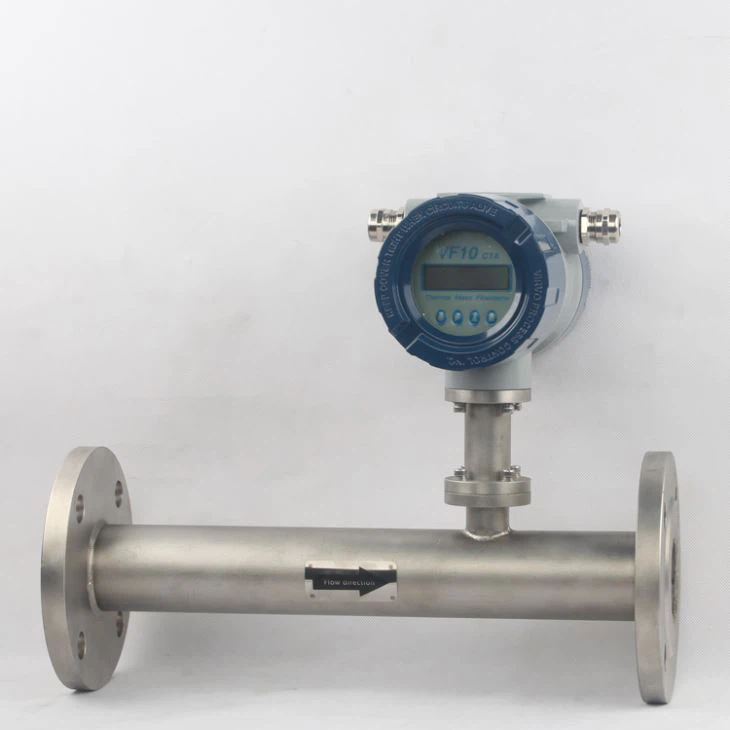
The quality of materials and manufacturing processes used in an air meter significantly impacts its lifespan. High - quality air meters, such as our Good Quality Thermal Mass Flow Meter, are built with robust materials that can withstand harsh environments and regular use. For example, meters with stainless - steel housings are more resistant to corrosion and physical damage compared to those with plastic or lower - grade metal components.
2. Operating Conditions
The environment in which an air meter operates plays a major role in determining its lifespan. If the air meter is exposed to extreme temperatures, high humidity, dust, or corrosive gases, its internal components may degrade more quickly. For instance, in industrial settings where there are high levels of particulate matter, the sensors in the air meter can become clogged, leading to inaccurate readings and eventually, component failure. On the other hand, air meters used in clean, climate - controlled environments are likely to have a longer lifespan.
3. Frequency of Use
How often an air meter is used also affects its lifespan. Continuous, round - the - clock operation will put more wear and tear on the meter's components compared to intermittent use. For example, an air meter used in a 24/7 manufacturing process will experience more stress on its motors, sensors, and circuitry than one used only a few hours a week in a laboratory setting.
4. Maintenance and Calibration
Regular maintenance and calibration are essential for ensuring the long - term accuracy and functionality of an air meter. Neglecting maintenance can lead to the accumulation of dirt, dust, and debris on the meter's internal components, which can cause malfunctions and reduce its lifespan. Calibration, on the other hand, ensures that the air meter is providing accurate readings. Over time, the sensors in an air meter may drift, leading to inaccurate measurements. By calibrating the meter at regular intervals, we can correct these drifts and extend the meter's useful life.
Typical Lifespan of Different Types of Air Meters
1. Thermal Mass Flow Meters
Thermal mass flow meters are widely used for measuring the mass flow rate of gases, including air. These meters typically have a lifespan of 5 - 10 years, depending on the factors mentioned above. Our Air Mass Flow Meter is designed with high - quality sensors and a durable construction, which can help to achieve a longer lifespan within this range. With proper maintenance and calibration, some thermal mass flow meters can even last up to 15 years.
2. Gas Mass Flow Meters for Air Flow Measurement
Gas mass flow meters, like the Gas Mass Flow Meter Air Flow Measure, are also popular for air flow measurement. Their lifespan is generally in the range of 3 - 8 years. These meters often use different technologies, such as Coriolis or ultrasonic, and their durability can vary based on the specific design and application.
Extending the Lifespan of an Air Meter
1. Proper Installation
Ensuring that the air meter is installed correctly is the first step in extending its lifespan. Incorrect installation can lead to issues such as improper airflow, excessive vibration, and electrical problems. Follow the manufacturer's installation instructions carefully, and if possible, have a professional install the air meter.
2. Regular Cleaning
Regularly cleaning the air meter can prevent the buildup of dirt and debris. Use a soft, dry cloth to wipe the exterior of the meter, and follow the manufacturer's guidelines for cleaning the internal components. In some cases, a gentle blast of compressed air can be used to remove dust from the sensors.
3. Scheduled Maintenance
Create a maintenance schedule for the air meter and stick to it. This may include tasks such as lubricating moving parts, checking electrical connections, and inspecting the meter for signs of wear and tear. Replace any worn - out components promptly to prevent further damage.
4. Correct Calibration
Calibrate the air meter at regular intervals. The calibration frequency depends on the type of meter and its application. For most air meters, annual calibration is recommended, but in some critical applications, more frequent calibration may be required.
When to Replace an Air Meter
Even with proper maintenance, an air meter will eventually reach the end of its lifespan. Signs that it may be time to replace an air meter include:

- Inconsistent Readings: If the air meter is providing erratic or inconsistent readings, even after calibration, it may be a sign of a failing sensor or other internal component.
- Frequent Malfunctions: If the meter is experiencing frequent breakdowns or malfunctions, it may be more cost - effective to replace it rather than continue to repair it.
- Obsolete Technology: As technology advances, older air meters may become obsolete. Newer models may offer better accuracy, greater functionality, and lower energy consumption. If an air meter is significantly behind the latest technology, it may be time to upgrade.
Conclusion
The lifespan of an air meter can vary widely depending on factors such as construction quality, operating conditions, frequency of use, and maintenance. As an air meter supplier, we are committed to providing high - quality products that offer a long lifespan. By following the tips outlined in this blog, you can extend the lifespan of your air meter and ensure accurate and reliable air flow measurement for years to come.
If you are in the market for a new air meter or need advice on maintaining your existing one, we would be happy to assist you. Contact us to start a procurement discussion and find the best air meter solution for your needs.
References
- "Flow Measurement Handbook: Industrial Designs and Applications" by Richard W. Miller
- Manufacturer's documentation for various air meters


