Hey there! As a water meter supplier, I've been in the business long enough to know that the accuracy of a water meter is super important. It's not just about getting the numbers right; it's about ensuring fair billing for customers and efficient water management for utilities. So, let's dive into the factors that can affect the accuracy of a water meter.
1. Water Quality
One of the biggest factors that can mess with a water meter's accuracy is the quality of the water it's measuring. If the water is dirty or contains a lot of sediment, it can cause wear and tear on the meter's internal components. For example, particles in the water can scratch the impellers or clog the flow paths, which can lead to inaccurate readings.
In areas where the water has high levels of minerals, like calcium and magnesium, scale can build up inside the meter. This scale can change the shape and size of the flow channels, affecting the way water moves through the meter and throwing off the readings.
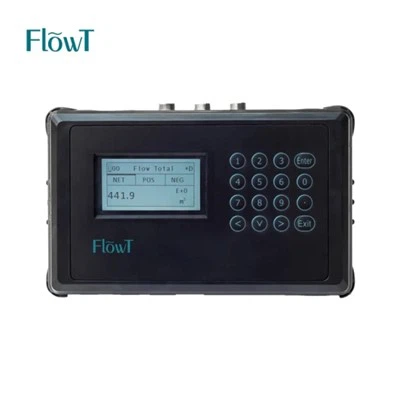
To combat these issues, some of our water meters are designed with self - cleaning mechanisms or are made from materials that are resistant to corrosion and scale buildup. For example, our Dual - channel Ultrasonic Water Flowmeter uses ultrasonic technology, which is less affected by sediment and scale compared to traditional mechanical meters.
2. Flow Rate
The flow rate of water through the meter is another crucial factor. Water meters are calibrated to be most accurate within a specific range of flow rates. If the flow rate is too low, the meter might not be able to detect the movement of water accurately. This is known as the "minimum measurable flow" problem.
On the other hand, if the flow rate is too high, it can cause the meter to spin too fast, leading to over - estimation of the water consumption. This is called "over - range" error.


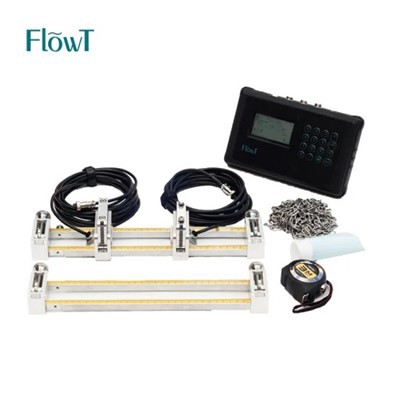
Our meters are carefully designed to have a wide range of accurate flow rates. For instance, our New Design Wall - Mount Clamp - On Type Ultrasonic Flow Meter can accurately measure water flow from very low to relatively high rates, making it suitable for a variety of applications, from residential to industrial.
3. Installation
How a water meter is installed can have a huge impact on its accuracy. If the meter is not installed correctly, it can cause uneven flow patterns inside the meter, leading to inaccurate readings.
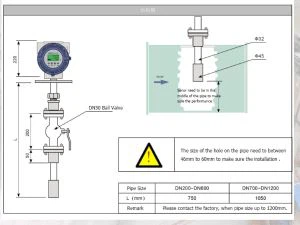
For example, if the meter is installed too close to a bend in the pipe or a valve, the water flow can become turbulent. Turbulent flow can make it difficult for the meter to measure the actual volume of water passing through. It's important to follow the installation guidelines provided with the meter to ensure proper alignment and sufficient straight pipe lengths upstream and downstream of the meter.
We always provide detailed installation instructions with our meters, and we also offer technical support to our customers to make sure the installation is done right.
4. Temperature
Temperature can also affect the accuracy of a water meter. Water expands and contracts with changes in temperature. If the meter is not calibrated to account for these temperature - related volume changes, it can lead to inaccurate readings.
In cold weather, water can freeze inside the meter, which can damage the internal components and render the meter useless. To address this issue, we offer meters that are designed to withstand a wide range of temperatures. Our meters are often equipped with temperature compensation features to ensure accurate readings regardless of the water temperature.
5. Aging and Wear
Over time, all water meters will experience some degree of aging and wear. The moving parts in mechanical meters can wear out, and the electronic components in digital meters can degrade. This wear and tear can cause the meter to become less accurate.
Regular maintenance and calibration are essential to keep the meters accurate. We recommend that our customers have their meters checked and calibrated at regular intervals. As a water meter supplier, we also offer calibration services to ensure that our customers' meters are always performing at their best.
6. External Interference
External factors such as magnetic fields, vibrations, and electrical interference can also affect the accuracy of a water meter. Magnetic fields can disrupt the operation of electronic meters, while vibrations can cause the internal components of mechanical meters to move out of place.
Our meters are designed to be resistant to external interference. For example, our Thermal Mass Meter Supplier products are shielded to minimize the impact of magnetic fields and are built to withstand vibrations.
Conclusion
In conclusion, there are several factors that can affect the accuracy of a water meter, including water quality, flow rate, installation, temperature, aging and wear, and external interference. As a water meter supplier, we take these factors into account when designing and manufacturing our meters.
We offer a wide range of high - quality water meters that are designed to minimize the impact of these factors and provide accurate readings. Whether you're a homeowner, a business owner, or a utility company, we have the right water meter for your needs.
If you're interested in learning more about our water meters or are looking to purchase meters for your project, we'd love to hear from you. Contact us to start a discussion about your requirements, and let's work together to find the best water meter solutions for you.
References
- "Water Metering Handbook" - A comprehensive guide on water metering technology and accuracy factors.
- Industry research papers on the impact of water quality and flow rate on water meter accuracy.