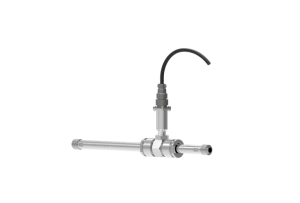
Water meters are essential devices for measuring the volume of water used in various applications. As a water meters supplier, I've had the opportunity to work with different types of water meters for both domestic and industrial settings. Understanding the differences between these two types of water meters is crucial for ensuring accurate measurement and efficient water management. In this blog, I'll explore the key differences between domestic and industrial water meters.


Design and Construction
Domestic water meters are typically designed for simplicity and ease of use. They are usually smaller in size and less complex compared to industrial water meters. These meters are commonly installed at the point where the water supply enters a residential building. They are often made of durable materials such as brass or plastic to withstand normal household water pressure and usage.
On the other hand, industrial water meters are built to handle more demanding conditions. They are larger and more robust in construction to measure high - volume water flow. Industrial processes often require large amounts of water, and the meters need to be able to withstand high pressures, extreme temperatures, and harsh chemical environments. For example, in a manufacturing plant where water is used for cooling or in a power generation facility, the water meters need to be able to operate accurately under these challenging conditions.
Measurement Range
One of the most significant differences between domestic and industrial water meters is the measurement range. Domestic water meters are designed to measure relatively low volumes of water. The typical flow rate for a domestic water meter might range from a few liters per minute to a few hundred liters per minute. This is sufficient for measuring the water consumption of a household, which includes activities such as drinking, cooking, bathing, and washing clothes.
Industrial water meters, however, need to measure much larger volumes of water. The flow rates in industrial applications can range from thousands to millions of liters per day. For instance, a large - scale agricultural irrigation system or a chemical processing plant may require water meters that can accurately measure high - flow rates to ensure proper water distribution and process control.
Accuracy Requirements
Accuracy is another crucial factor that differentiates domestic and industrial water meters. For domestic use, a certain level of accuracy is required to ensure fair billing for the household. While accuracy is important, the tolerance for error in domestic water meters is generally more lenient compared to industrial meters. A small error in measurement may not have a significant impact on the overall cost for a household.
In industrial settings, high accuracy is of utmost importance. Industrial processes often rely on precise water measurement for quality control, process efficiency, and compliance with environmental regulations. Even a small error in water measurement can lead to significant financial losses, product quality issues, or environmental violations. For example, in a pharmaceutical manufacturing plant, the exact amount of water used in the production process can affect the quality and safety of the final product. Therefore, industrial water meters need to have a high degree of accuracy and precision.
Installation and Maintenance
The installation and maintenance requirements for domestic and industrial water meters also differ. Domestic water meters are relatively easy to install. They can usually be installed by a plumber or a homeowner with basic plumbing skills. The installation process typically involves connecting the meter to the water supply line using standard plumbing fittings. Maintenance of domestic water meters is also straightforward. Periodic checks for leaks and proper functioning are usually sufficient.
Industrial water meters, on the other hand, require more complex installation procedures. They often need to be installed by trained technicians who have experience with industrial plumbing systems. The installation may involve specialized equipment and tools, and strict safety protocols need to be followed. Maintenance of industrial water meters is also more demanding. Regular calibration, inspection, and cleaning are necessary to ensure accurate measurement and reliable operation. Industrial water meters may also need to be serviced more frequently due to the harsh operating conditions they are exposed to.
Cost
Cost is an important consideration when choosing between domestic and industrial water meters. Domestic water meters are generally more affordable. They are mass - produced, and the materials and manufacturing processes used are less expensive. The lower cost makes them accessible for residential use.
Industrial water meters, however, are more expensive. The high - end materials, advanced technology, and complex manufacturing processes required to meet the demanding industrial requirements contribute to the higher cost. Additionally, the installation and maintenance costs for industrial water meters are also higher due to the specialized skills and equipment needed.
Types of Meters
There are different types of water meters used in both domestic and industrial settings, but the prevalence of each type varies.
In domestic applications, mechanical water meters are the most common. These meters use a mechanical mechanism, such as a rotating turbine or a piston, to measure the water flow. They are simple, reliable, and cost - effective. Another type of domestic water meter is the ultrasonic water meter, which uses ultrasonic waves to measure the water flow. Ultrasonic water meters are becoming more popular due to their high accuracy and lack of moving parts, which reduces the risk of wear and tear. You can learn more about ultrasonic water meters by visiting this link: Ultrasonic Flow Meter Portable Flowmeter Portable.
In industrial applications, in addition to ultrasonic water meters, electromagnetic water meters are also widely used. Electromagnetic water meters work based on Faraday's law of electromagnetic induction and are suitable for measuring the flow of conductive liquids. They are highly accurate and can handle large - scale water flow. Oil flow meters are also used in some industrial applications where water may be mixed with oil or in oil - related processes. You can find more information about oil flow meters at Oil Flow Meter. For industrial water applications, a water ultrasonic flowmeter with flange DN25~DN5000 is a popular choice. You can explore this product at Water Ultrasonic Flowmeter With Flange DN25~DN5000.
Conclusion
In conclusion, there are significant differences between domestic and industrial water meters in terms of design, measurement range, accuracy requirements, installation and maintenance, cost, and types of meters. As a water meters supplier, it is essential to understand these differences to provide the right solutions for our customers. Whether it's a residential building looking for an affordable and reliable water meter or an industrial facility in need of a high - accuracy and robust water meter, we can offer the appropriate products and services.
If you are in the market for water meters, whether for domestic or industrial use, we are here to help. We have a wide range of water meters to meet your specific needs. Contact us to start a discussion about your water metering requirements and explore the best solutions for your application.
References
- "Water Metering Handbook" by American Water Works Association
- "Industrial Flow Measurement" by Marcel Dekker
- "Residential Water Use: Trends and Drivers" by United States Environmental Protection Agency