


Hey there! I'm a supplier of steam meters, and today I'm gonna share with you how to use a steam meter to monitor a steam - injection well. Steam - injection wells are crucial in many industries, especially in oil recovery, where steam is injected into the well to reduce the viscosity of the oil and make it easier to extract. Monitoring the steam flow accurately is essential for the efficiency and safety of the operation.
Understanding the Basics of Steam Meters
First things first, let's talk about what a steam meter is. A steam meter is a device used to measure the flow rate, temperature, and pressure of steam. There are different types of steam meters, each with its own advantages and disadvantages. For example, vortex flow meters are quite popular. You can check out the Vortex Flow Meter with SS304 Sensor Application in Steam Flange Connection on our website. These meters work based on the principle of the von Kármán vortex street, where vortices are shed alternately on both sides of a bluff body placed in the steam flow. The frequency of these vortices is proportional to the flow rate of the steam.
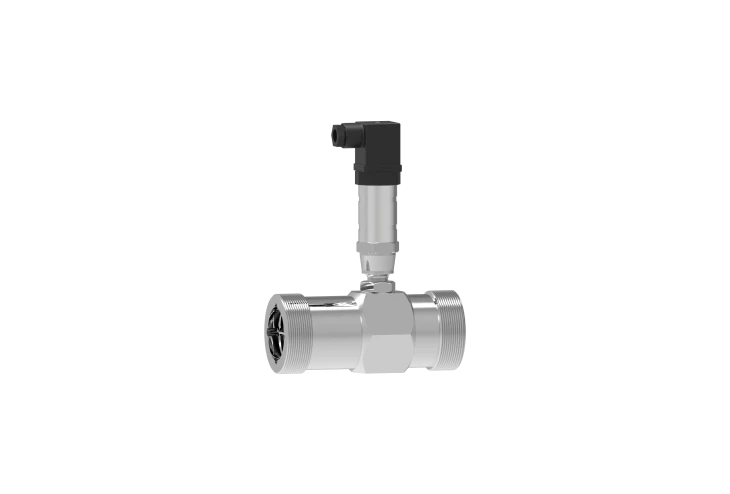
Another type is the liquid turbine flowmeter, like the Sanitary Hersman Liquid Turbine Flowmeter. In this meter, the steam flow causes a turbine to rotate, and the rotational speed is related to the flow rate. Each type of meter has its own unique features, and the choice depends on various factors such as the steam conditions, accuracy requirements, and budget.
Installation of the Steam Meter
Once you've chosen the right steam meter for your steam - injection well, the next step is installation. Proper installation is key to getting accurate measurements.
- Location Selection: The steam meter should be installed in a straight section of the pipeline. This helps to ensure a uniform flow profile. A good rule of thumb is to have at least 10 - 15 pipe diameters of straight pipe upstream and 5 - 10 pipe diameters downstream of the meter. This reduces the effects of flow disturbances caused by elbows, valves, or other fittings.
- Orientation: Make sure the meter is installed in the correct orientation. Some meters are designed to be installed horizontally, while others can be installed vertically. Check the manufacturer's instructions carefully. For example, a vortex flow meter usually needs to be installed in a way that the bluff body is perpendicular to the flow direction.
- Connection: Connect the steam meter to the pipeline using the appropriate flanges or fittings. Ensure a tight and leak - free connection. Any leaks can lead to inaccurate measurements and also pose a safety hazard. Also, connect the necessary cables for power supply and data transmission.
Calibration and Setup
After installation, the steam meter needs to be calibrated and set up properly.
- Calibration: Calibration is the process of adjusting the meter to ensure its accuracy. This is usually done using a calibration standard with a known flow rate. The calibration process may involve adjusting the meter's internal parameters such as the zero point and the span. It's a good idea to have the meter calibrated by a professional or follow the manufacturer's calibration procedures.
- Configuration: Configure the meter according to the specific requirements of your steam - injection well. This includes setting the units of measurement (e.g., kg/h, m³/h), the steam properties (such as density, specific heat), and any alarm settings. For example, you can set an alarm to trigger if the steam flow rate goes below a certain threshold, which could indicate a problem with the injection system.
Monitoring and Data Analysis
Once the steam meter is installed, calibrated, and set up, it's time to start monitoring the steam - injection well.
- Real - Time Monitoring: Most modern steam meters come with a display or can be connected to a monitoring system. You can monitor the steam flow rate, temperature, and pressure in real - time. This allows you to quickly detect any changes or abnormalities in the steam injection process. For example, if the flow rate suddenly drops, it could mean a blockage in the pipeline or a malfunction of the injection pump.
- Data Logging: The steam meter can also log data over time. This data can be used for analysis and optimization of the steam - injection process. You can analyze trends in the steam flow rate, temperature, and pressure to identify patterns and make informed decisions. For instance, you might notice that the steam consumption is higher during certain times of the day, and you can adjust the injection schedule accordingly.
- Remote Monitoring: Some steam meters support remote monitoring. This means you can access the meter's data from a remote location using a computer or a mobile device. This is especially useful if you have multiple steam - injection wells or if the well is located in a remote area.
Troubleshooting
Even with proper installation, calibration, and monitoring, problems can still occur. Here are some common issues and how to troubleshoot them.
- Inaccurate Measurements: If the steam meter is giving inaccurate measurements, first check for any leaks in the pipeline or connections. A leak can cause the flow rate to be lower than the actual value. Also, check the calibration of the meter. It might need to be recalibrated if it has been exposed to extreme conditions or if it has been in use for a long time.
- Sensor Failure: If the meter's sensor fails, it can lead to incorrect readings or no readings at all. Check the sensor for any visible damage or signs of wear. You may need to replace the sensor if it's faulty. For high - temperature applications, like in steam - injection wells, a High Temp Insertion Vortex Flow Meter Transmitter Fit for Steam Measurement can be a good option as it's designed to withstand high - temperature environments.
- Communication Problems: If you're having trouble getting data from the meter to the monitoring system, check the cables and connections. Make sure the communication protocol is set up correctly. Sometimes, interference from other electrical devices can also cause communication problems.
Conclusion
Using a steam meter to monitor a steam - injection well is a complex but essential process. By choosing the right meter, installing it properly, calibrating and setting it up correctly, monitoring the data, and troubleshooting any issues, you can ensure the efficient and safe operation of your steam - injection well.

If you're interested in purchasing a steam meter for your steam - injection well or have any questions about our products, feel free to reach out to us. We're here to help you find the best solution for your needs and ensure a smooth and successful steam - injection process.
References
- "Flow Measurement Handbook: Industrial Designs and Applications" by Richard W. Miller
- Manufacturer's manuals of the steam meters mentioned in the article.


