


As a gas meter supplier, I've seen firsthand how important it is to protect outdoor gas meters from the elements. These meters are constantly exposed to rain, snow, extreme temperatures, and other environmental factors that can take a toll on their performance and longevity. In this blog post, I'll share some tips on how to safeguard your outdoor gas meter and ensure it operates efficiently for years to come.
Understanding the Risks
Before we dive into the protection methods, let's take a moment to understand the potential risks that outdoor gas meters face. Exposure to water can cause corrosion and damage to the internal components of the meter, leading to inaccurate readings or even complete failure. Extreme cold can also affect the meter's functionality, as it may cause the gas to contract and disrupt the flow measurement. On the other hand, excessive heat can lead to expansion and potential leaks. Additionally, harsh weather conditions can damage the meter's housing, leaving it vulnerable to further damage.
Choose the Right Location
One of the first steps in protecting your outdoor gas meter is to choose the right location for installation. Ideally, the meter should be installed in a sheltered area that is protected from direct exposure to rain, snow, and strong winds. Avoid placing the meter in low-lying areas where water can accumulate, as this can increase the risk of flooding. If possible, install the meter under an overhang or awning to provide additional protection from the elements.
Install a Meter Box
A meter box is a great way to protect your outdoor gas meter from the elements. These boxes are typically made of durable materials such as plastic or metal and are designed to provide a protective enclosure for the meter. When choosing a meter box, make sure it is the right size for your meter and has proper ventilation to prevent moisture buildup. Some meter boxes also come with additional features such as locks or insulation to provide extra security and protection.
Use a Weatherproof Cover
In addition to a meter box, you can also use a weatherproof cover to protect your outdoor gas meter. These covers are typically made of waterproof materials such as vinyl or rubber and are designed to fit over the meter to provide an extra layer of protection. Weatherproof covers can help to prevent water, snow, and debris from getting into the meter and causing damage. Make sure to choose a cover that is the right size for your meter and is easy to install and remove.
Insulate the Meter
Insulating your outdoor gas meter can help to protect it from extreme temperatures. In cold weather, insulation can help to prevent the gas from contracting and disrupting the flow measurement. In hot weather, insulation can help to prevent the meter from overheating and potentially causing a leak. You can use insulation materials such as foam pipe insulation or fiberglass insulation to insulate the meter. Make sure to follow the manufacturer's instructions when installing the insulation to ensure it is installed correctly.
Regular Maintenance
Regular maintenance is essential for keeping your outdoor gas meter in good working condition. Make sure to inspect the meter regularly for any signs of damage or wear and tear. Check the meter box and weatherproof cover for any cracks or holes that could allow water or debris to get in. If you notice any issues, make sure to address them promptly to prevent further damage. Additionally, make sure to have your gas meter serviced by a qualified professional on a regular basis to ensure it is operating efficiently.

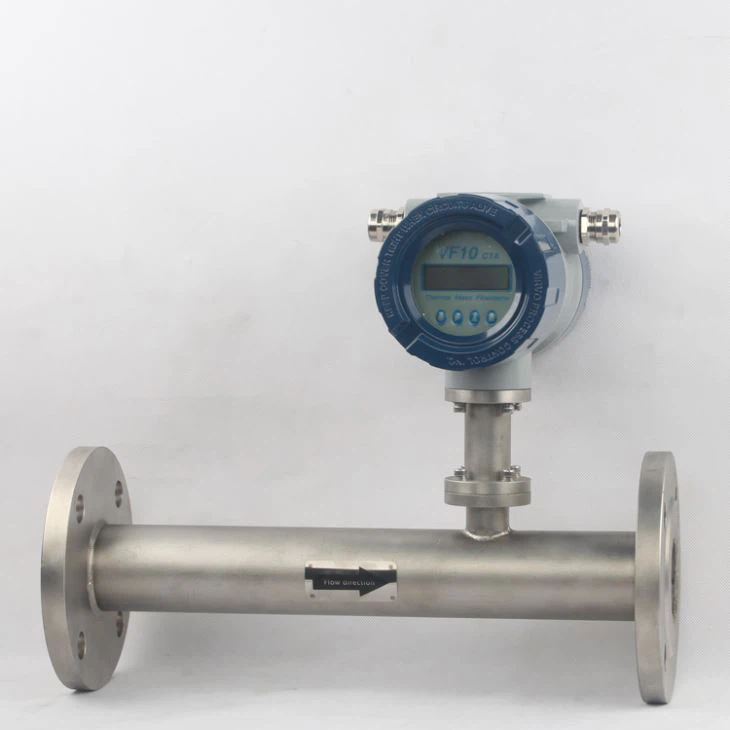
Consider a Thermal Flow Meter
If you're looking for a more advanced solution to protect your outdoor gas meter from the elements, you may want to consider a thermal flow meter. These meters use advanced technology to measure the flow of gas based on the heat transfer properties of the gas. Unlike traditional meters, thermal flow meters are not affected by changes in temperature, pressure, or humidity, making them more accurate and reliable in harsh environmental conditions. You can learn more about thermal flow meters by visiting Thermal Flow Meter Air Meter.
Applications of Thermal Mass Air Flow Meters
Thermal mass air flow meters have a wide range of applications in air measurement. They are commonly used in industrial applications such as HVAC systems, combustion processes, and environmental monitoring. These meters are also used in research and development to measure the flow of gases in laboratories and test facilities. To learn more about the applications of thermal mass air flow meters, visit Thermal Mass Air Flow Meter Application in Air Measurement.
Good Quality Thermal Mass Flow Meters
When it comes to choosing a thermal mass flow meter, it's important to choose a good quality meter that is reliable and accurate. Look for meters that are made by reputable manufacturers and have a proven track record of performance. You can find good quality thermal mass flow meters by visiting Good Quality Thermal Mass Flow Meter.
Conclusion
Protecting your outdoor gas meter from the elements is essential for ensuring its performance and longevity. By following the tips outlined in this blog post, you can help to safeguard your meter from the effects of rain, snow, extreme temperatures, and other environmental factors. Whether you choose to install a meter box, use a weatherproof cover, insulate the meter, or consider a thermal flow meter, taking the time to protect your gas meter will pay off in the long run. If you have any questions or would like to learn more about our gas meters, please don't hesitate to contact us. We're here to help you find the right solution for your needs.
References
- "Gas Meter Installation and Maintenance Guide." Utility Company.
- "Protecting Your Outdoor Gas Meter from the Elements." Home Improvement Magazine.
- "Thermal Flow Meter Technology." Manufacturer's Website.


