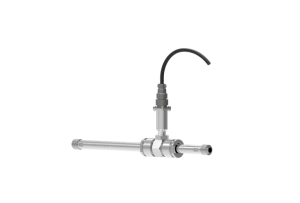
Hey there! As a supplier of liquid meters, I've seen my fair share of issues with clogging. It's a real pain in the neck for both us suppliers and you, the customers. Clogging can mess up the accuracy of the meter readings, cause damage to the equipment, and even lead to costly downtime. So, in this blog post, I'm gonna share some tips on how to prevent clogging in a liquid meter.
Understanding the Causes of Clogging
Before we dive into the prevention methods, let's first understand what causes clogging in a liquid meter. There are several factors that can contribute to clogging, including:


- Particulate Matter: This is one of the most common causes of clogging. Particles such as sand, dirt, rust, and debris can enter the liquid meter and accumulate over time, blocking the flow path.
- Chemical Reactions: Certain chemicals in the liquid can react with each other or with the materials of the meter, forming deposits that can clog the meter.
- Biological Growth: In some cases, bacteria, algae, and other microorganisms can grow in the liquid and form biofilms, which can block the flow path.
- Incorrect Installation: If the liquid meter is not installed correctly, it can cause turbulence and uneven flow, which can lead to the accumulation of particles and debris.
Prevention Methods
Now that we know what causes clogging, let's look at some ways to prevent it.
1. Use a Filter
One of the simplest and most effective ways to prevent clogging is to use a filter. A filter can remove particulate matter from the liquid before it enters the meter, reducing the risk of clogging. There are different types of filters available, such as mesh filters, cartridge filters, and bag filters. The type of filter you choose will depend on the size and type of particles you need to remove, as well as the flow rate and pressure of the liquid.
2. Select the Right Meter for the Application
Choosing the right liquid meter for your application is crucial. Different meters are designed to handle different types of liquids and flow conditions. For example, if you're measuring a liquid with a high concentration of particulate matter, you may want to choose a meter that has a larger flow path or is less prone to clogging, such as an electromagnetic flow meter or an ultrasonic flow meter. Check out our FLOWT OEM DN25 - DN1200mm China Wall Mounted Ultrasonic Water Flowmeter Price, Ultrasonic Flow Meter for a great option in ultrasonic flow meters.
3. Regular Maintenance
Regular maintenance is essential to keep your liquid meter in good working condition and prevent clogging. This includes cleaning the meter, checking for any signs of wear or damage, and replacing any worn-out parts. You should also follow the manufacturer's recommended maintenance schedule and procedures.
Here are some specific maintenance tasks you can perform:
- Clean the Filter: If you're using a filter, make sure to clean it regularly to remove any accumulated particles.
- Flush the Meter: Periodically flush the meter with clean water or a suitable cleaning solution to remove any deposits or debris.
- Inspect the Meter: Check the meter for any signs of damage, such as cracks, leaks, or blockages. If you notice any issues, contact a professional for repair or replacement.
4. Monitor the Liquid Quality
Monitoring the quality of the liquid you're measuring can help you detect any potential problems before they cause clogging. You can use various techniques to monitor the liquid quality, such as taking samples and analyzing them in a laboratory, or using in-line sensors to measure parameters such as pH, conductivity, and turbidity. If you notice any changes in the liquid quality, you may need to take corrective actions, such as adjusting the filtration system or treating the liquid to remove contaminants.
5. Proper Installation
Proper installation of the liquid meter is crucial to ensure accurate readings and prevent clogging. Make sure to follow the manufacturer's installation instructions carefully and use the correct tools and materials. Here are some installation tips:
- Install the Meter in the Right Location: Choose a location that is easily accessible for maintenance and inspection, and away from sources of vibration, heat, and electromagnetic interference.
- Ensure Proper Pipe Sizing and Alignment: The pipe size and alignment should be compatible with the meter specifications to ensure smooth flow and prevent turbulence.
- Use the Right Fittings and Gaskets: Use high-quality fittings and gaskets that are compatible with the meter and the liquid being measured to prevent leaks and ensure a tight seal.
6. Consider Using a Dual Sensor System
A dual sensor system, like our Dual sensor handheld ultrasonic flow meter, can provide more accurate and reliable measurements, especially in applications where clogging is a concern. The dual sensors can detect any changes in the flow characteristics and provide an early warning of potential clogging. This allows you to take corrective actions before the clogging becomes severe and causes damage to the meter.
7. Train Your Staff
Proper training of your staff is essential to ensure that they know how to operate and maintain the liquid meter correctly. Make sure your staff is familiar with the meter's features, functions, and maintenance requirements. Provide them with training on how to use the meter safely and effectively, and how to troubleshoot common problems.
Additional Tips
- Avoid Overloading the Meter: Make sure to operate the meter within its specified flow rate and pressure limits. Overloading the meter can cause damage and increase the risk of clogging.
- Use Compatible Materials: When using additives or chemicals in the liquid, make sure they are compatible with the meter materials to prevent chemical reactions and deposits.
- Keep Records: Keep a record of the meter's maintenance history, including cleaning, calibration, and any repairs or replacements. This can help you track the performance of the meter and identify any trends or issues.
Conclusion
Preventing clogging in a liquid meter is essential to ensure accurate measurements, reliable operation, and long-term performance. By following the tips outlined in this blog post, you can reduce the risk of clogging and keep your liquid meter in good working condition. If you have any questions or need further assistance, don't hesitate to reach out. We're here to help you find the right solutions for your liquid metering needs. Whether you're looking for an ultrasonic flow meter for accurate volume measurement like our Handheld Ultrasonic Volume Flow Measurement or need advice on preventing clogging, we've got you covered.
If you're interested in purchasing a liquid meter or learning more about our products and services, we invite you to contact us for a detailed discussion. We're eager to understand your specific requirements and provide you with the best solutions. Let's work together to ensure your liquid metering systems operate smoothly and efficiently.
References
- "Flow Measurement Handbook: Principles and Techniques" by Richard W. Miller
- Industry standards and guidelines related to liquid meter installation and maintenance