


Installing a gas meter is a crucial process that requires careful planning, adherence to safety regulations, and technical know - how. As a gas meters supplier, I am well - versed in the intricacies of gas meter installation and will guide you through the entire process in this blog.

Pre - installation Preparations
Before you start the installation of a gas meter, there are several important steps to take. First and foremost, you need to check local regulations. Gas meter installation is subject to strict safety and building codes in most areas. These regulations are in place to ensure the safety of the occupants and the proper functioning of the gas system. Contact your local building department or gas utility company to obtain the necessary permits and understand the specific requirements for your location.
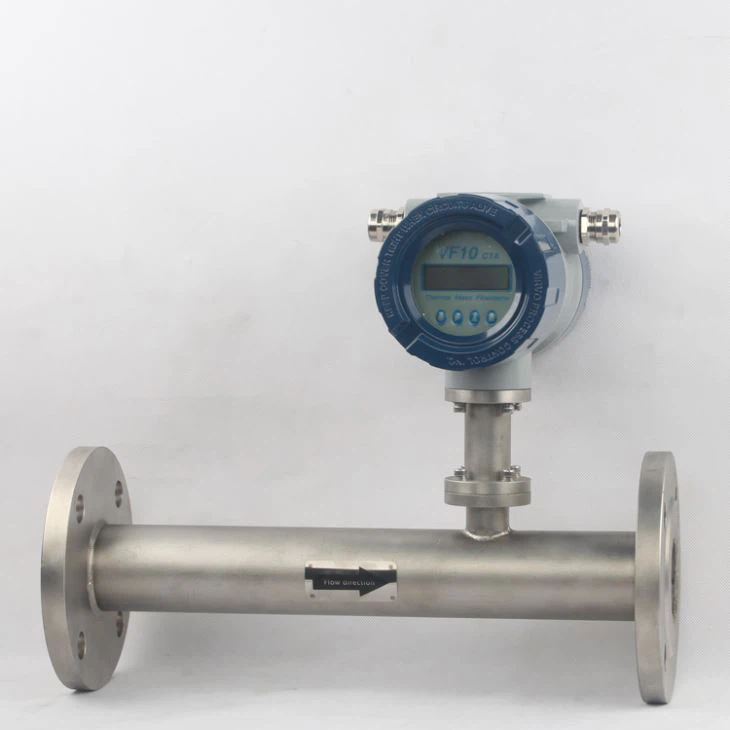
Next, select the appropriate gas meter for your needs. There are different types of gas meters available in the market, such as diaphragm meters, turbine meters, and Good Quality Thermal Mass Flow Meter. Each type has its own advantages and is suitable for different applications. Thermal mass flow meters, for example, are known for their high accuracy and ability to measure gas flow under various conditions. They are especially useful in industrial settings where precise gas measurement is required.
You also need to gather all the necessary tools and materials. This includes wrenches, pipe cutters, sealants, and safety equipment such as gloves and goggles. Make sure that all the tools are in good working condition and that you have the right size and type of materials for the installation.
Site Selection
The location where you install the gas meter is critical. It should be easily accessible for reading and maintenance. The meter should be installed in a well - ventilated area to prevent the accumulation of gas in case of a leak. Avoid installing the meter in areas where it could be damaged, such as near heavy machinery or in areas prone to flooding.
The gas meter should be installed at a proper height. Typically, it is recommended to install the meter between 3 and 6 feet above the ground. This height makes it easy for meter readers to access the meter and also reduces the risk of damage from accidental impacts.
Shutting Off the Gas Supply
Before you begin any work on the gas system, you must shut off the gas supply. Locate the main gas shut - off valve, which is usually located near the gas meter or at the point where the gas line enters your property. Turn the valve clockwise until it is fully closed. This will prevent gas from flowing into the system during the installation process.
After shutting off the gas supply, it is important to test for the presence of gas in the system. Use a gas detector to check for any remaining gas in the pipes. If the detector indicates the presence of gas, you need to wait until the gas has dissipated before proceeding with the installation.
Removing the Old Meter (if applicable)
If you are replacing an old gas meter, you need to carefully remove it. Start by disconnecting the gas pipes from the meter. Use a wrench to loosen the nuts or bolts that hold the pipes in place. Be careful not to damage the pipes or the meter during this process.
Once the pipes are disconnected, remove the meter from its mounting bracket. You may need to use a screwdriver or other tools to remove any screws or clips that are holding the meter in place. Place the old meter in a safe location for disposal or recycling.
Installing the New Gas Meter
When installing the new gas meter, start by mounting it on the bracket. Make sure that the meter is level and securely attached to the bracket. Use the appropriate screws or bolts to fasten the meter in place.
Next, connect the gas pipes to the meter. Apply a small amount of sealant to the pipe threads to prevent gas leaks. Use a wrench to tighten the nuts or bolts that connect the pipes to the meter. Make sure that the connections are tight but do not over - tighten them, as this could damage the pipes or the meter.
Testing the Installation
After installing the gas meter, it is essential to test the installation for leaks. Turn on the gas supply slowly by opening the main gas shut - off valve counterclockwise. Use a gas detector or a soapy water solution to check for leaks at the pipe connections. If you see bubbles forming at the connections, it indicates a leak. Tighten the connections further or apply more sealant if necessary.
Once you have confirmed that there are no leaks, check the meter for proper operation. Read the meter display to ensure that it is registering gas flow correctly. If you notice any issues with the meter reading or if the meter does not seem to be working properly, contact a professional gas technician for assistance.
Commissioning the Gas Meter
After successfully testing the installation, you need to commission the gas meter. This involves registering the meter with your gas utility company. Provide them with the meter serial number and other relevant information. The utility company will then activate the meter and start billing you for the gas usage.
Maintenance and Safety
Regular maintenance of the gas meter is essential to ensure its proper functioning and safety. Check the meter regularly for any signs of damage or wear. Look for cracks in the meter housing, loose connections, or any other issues that could affect the accuracy of the meter.
In addition to regular maintenance, it is important to follow all safety procedures when dealing with gas meters. Never attempt to repair or modify the meter yourself unless you are a qualified professional. If you suspect a gas leak, immediately evacuate the area and contact your gas utility company or a professional gas technician.
Advantages of Our Gas Meters
As a gas meters supplier, we offer a wide range of high - quality gas meters, including Thermal Flow Meter Air Meter and Thermal Mass Flow Meter for Measuring Gas with Stable Performance. Our meters are designed to provide accurate and reliable gas measurement. They are built with the latest technology and are tested to meet strict quality standards.
Our thermal mass flow meters, in particular, offer several advantages. They have a fast response time, which allows for real - time gas flow measurement. They can also measure gas flow over a wide range of flow rates and temperatures. This makes them suitable for a variety of applications, from small - scale residential use to large - scale industrial processes.
Contact Us for Procurement
If you are in the market for a gas meter, we invite you to contact us for procurement. Our team of experts can help you select the right gas meter for your specific needs. We offer competitive prices, excellent customer service, and reliable after - sales support. Whether you are a homeowner, a business owner, or an industrial operator, we have the gas meter solution for you.
References
- Gas Safety Regulations Handbook
- Installation Guidelines for Gas Meters by Industry Standards
- Manufacturer's Manuals for Gas Meters


