


Choosing the right antenna for a transmitter is a crucial decision that can significantly impact the performance and effectiveness of your communication system. As a transmitter supplier, I've seen firsthand how the wrong antenna choice can lead to poor signal quality, limited range, and even system failures. In this blog post, I'll share some tips and considerations to help you choose the best antenna for your transmitter.
Understanding Your Transmitter's Requirements
Before you start shopping for an antenna, it's important to understand your transmitter's requirements. This includes factors such as the frequency range, power output, and intended use of the transmitter. Different transmitters operate on different frequency bands, and the antenna you choose must be compatible with the frequency range of your transmitter. For example, if you're using a transmitter that operates on the 2.4 GHz frequency band, you'll need an antenna that is designed to work within that frequency range.
The power output of your transmitter is another important consideration. Higher power transmitters require antennas that can handle the increased power without overheating or causing other issues. Make sure to choose an antenna that is rated for the power output of your transmitter.
The intended use of your transmitter will also play a role in your antenna choice. If you're using the transmitter for short-range communication, such as in a small office or home, you may not need a high-gain antenna. However, if you're using the transmitter for long-range communication, such as in a rural area or for outdoor applications, you'll need an antenna with a higher gain to increase the range of the signal.
Types of Antennas
There are several types of antennas available, each with its own advantages and disadvantages. Here are some of the most common types of antennas used with transmitters:
- Dipole Antennas: Dipole antennas are one of the simplest and most common types of antennas. They consist of two conductive elements that are typically made of metal and are arranged in a straight line. Dipole antennas are omnidirectional, which means they radiate the signal equally in all directions. They are relatively easy to install and are suitable for a wide range of applications.
- Yagi Antennas: Yagi antennas are directional antennas that are designed to focus the signal in a specific direction. They consist of a driven element, a reflector, and one or more directors. Yagi antennas have a higher gain than dipole antennas, which means they can increase the range of the signal. They are commonly used for long-range communication, such as in radio and television broadcasting.
- Patch Antennas: Patch antennas are flat, low-profile antennas that are commonly used in wireless devices such as smartphones, tablets, and laptops. They are easy to manufacture and can be integrated into small devices. Patch antennas are typically omnidirectional, but they can also be designed to be directional.
- Helical Antennas: Helical antennas are circularly polarized antennas that are commonly used in satellite communication and other applications where a circularly polarized signal is required. They consist of a helix-shaped conductor that is wound around a central core. Helical antennas have a high gain and are suitable for long-range communication.
Antenna Gain
Antenna gain is a measure of how effectively an antenna can radiate the signal in a specific direction. It is typically expressed in decibels (dB). A higher gain antenna will radiate the signal more effectively in a specific direction, which can increase the range of the signal. However, a higher gain antenna also has a narrower beamwidth, which means it will cover a smaller area.
When choosing an antenna, it's important to consider the gain and beamwidth of the antenna. If you need to cover a large area, you may want to choose an antenna with a lower gain and a wider beamwidth. If you need to focus the signal in a specific direction, you may want to choose an antenna with a higher gain and a narrower beamwidth.
Antenna Polarization
Antenna polarization refers to the orientation of the electric field of the radio wave. There are two main types of polarization: vertical polarization and horizontal polarization. Vertical polarization is commonly used in mobile communication, while horizontal polarization is commonly used in radio and television broadcasting.
When choosing an antenna, it's important to match the polarization of the antenna to the polarization of the transmitter and the receiving device. If the polarization of the antenna does not match the polarization of the transmitter and the receiving device, the signal strength may be reduced.
Antenna Placement
The placement of the antenna can also have a significant impact on the performance of the communication system. Here are some tips for antenna placement:
- Height: The height of the antenna can affect the range and coverage of the signal. In general, the higher the antenna, the greater the range and coverage. However, there are practical limitations to how high you can place the antenna, such as building codes and safety regulations.
- Obstructions: Obstructions such as buildings, trees, and mountains can block or weaken the signal. Try to place the antenna in a location where there are no obstructions between the antenna and the receiving device.
- Interference: Other electronic devices can cause interference with the antenna signal. Try to place the antenna away from other electronic devices, such as routers, microwaves, and cordless phones.
Conclusion
Choosing the right antenna for a transmitter is a complex decision that requires careful consideration of several factors. By understanding your transmitter's requirements, the types of antennas available, antenna gain, polarization, and placement, you can choose the best antenna for your communication system.
If you're still unsure which antenna is right for your transmitter, or if you have any other questions about antennas or transmitters, please don't hesitate to contact us. We're a transmitter supplier with years of experience in the industry, and we're here to help you find the best solutions for your needs.
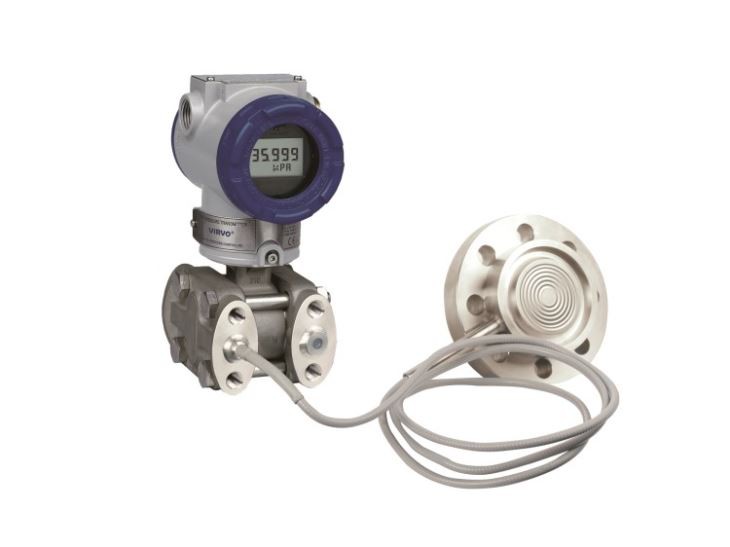
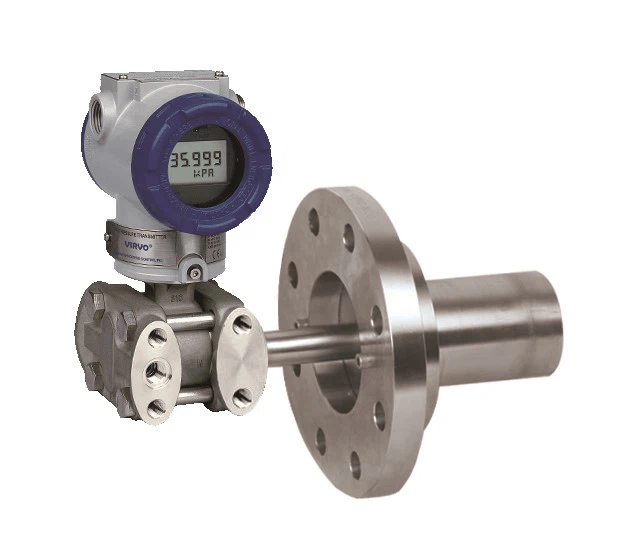
As a reminder, we offer a wide range of transmitters, including Industrial Pressure Transmitter for Liquid Measurement Smart Type Flow Meter, Differential Pressure Transmitter with Single or Double Flanges Flow Meter, and Pressure Transmitter with Hart Protocol for Water Measurement. If you're interested in learning more about our products or would like to discuss your specific requirements, please reach out to us. We look forward to working with you!
References
- Antenna Theory and Design, Constantine A. Balanis
- Radio Communication Handbook, RSGB


