


Hey there! As a water meter supplier, I've seen firsthand how hidden water leaks can be a real pain in the neck. Not only do they waste precious water, but they can also lead to some serious damage to your property and sky-high water bills. That's why I'm here to share some tips on how to check for those sneaky hidden water leaks using a water meter.
Understanding How Your Water Meter Works
First things first, let's talk a bit about how water meters work. Your water meter is basically a device that measures the amount of water that flows through your pipes. It's usually located near the street or at the point where the water main enters your property. Most modern water meters have a digital display that shows the total amount of water used in cubic feet or gallons.
There are different types of water meters out there, but the most common ones are mechanical and ultrasonic meters. Mechanical meters use moving parts to measure the water flow, while ultrasonic meters use sound waves. Ultrasonic meters are becoming more popular because they're more accurate and have fewer moving parts, which means less maintenance. For example, our Flowt Genuine Cheap Ultrasonic Flow Meter With Long - term Warranty is a great option. It offers long - term reliability and accurate readings.
Preparing for the Leak Check
Before you start checking for leaks, you need to make sure that all the water - using appliances and fixtures in your home are turned off. This includes faucets, toilets, washing machines, dishwashers, and any other devices that use water. You want to create a situation where there should be no water flowing through the pipes.
It's also a good idea to take a note of the time when you start the test. This will help you keep track of how long the test takes. And don't forget to wear some comfortable clothes and maybe some gloves, especially if you need to access the water meter in a dirty or damp area.
The Basic Leak Check
Once everything is turned off, go to your water meter. Take a look at the display. It should show a static number if there are no leaks. Some water meters also have a small dial or indicator that moves when water is flowing. This is called a leak indicator.
Watch the leak indicator for about 15 minutes. If it moves, even a little bit, it's a sign that there might be a hidden leak somewhere in your plumbing system. But don't panic just yet. Sometimes, there could be a small amount of water movement due to pressure changes in the pipes.

To be more sure, you can take a reading of the water meter at the start of the 15 - minute period and then another reading at the end. If the second reading is higher than the first one, it's a clear sign of a leak.
More Advanced Checks
If you suspect a leak but the basic check isn't conclusive, you can do some more advanced checks. One method is to isolate different parts of your plumbing system. For example, you can turn off the water supply to your outdoor faucets and see if the leak indicator stops moving. If it does, the leak might be in your outdoor plumbing.
Another option is to use a pressure gauge. You can attach a pressure gauge to a hose bib or a faucet. Turn on the water to build up pressure and then turn it off. Watch the pressure gauge for a while. If the pressure drops, it could indicate a leak.
Using Specialized Equipment
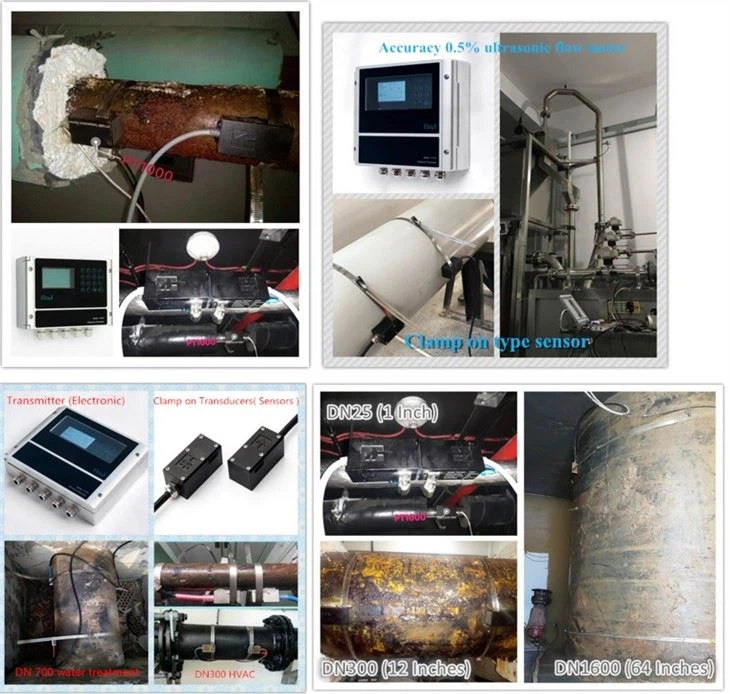
In some cases, you might need to use specialized equipment to find hidden leaks. This is where our Clamp on Ultrasonic Flow Transmitter High Accuracy for Oil Liquid Meter and Clamp On Ultrasonic Flow Meter come in handy.
These meters can be clamped onto the outside of the pipes, and they can detect the flow of water inside the pipes without having to cut into the pipes. They're especially useful for detecting leaks in hard - to - reach areas or in pipes that are buried underground.
What to Do If You Find a Leak
If you find a leak, the first thing you should do is turn off the main water supply to your home. This will prevent further water damage. Then, you can either try to fix the leak yourself if it's a simple one, like a loose connection or a worn - out washer.
However, if the leak is more serious, like a burst pipe or a leak in the main water line, it's best to call a professional plumber. They have the tools and expertise to fix the problem safely and effectively.
Benefits of Regular Leak Checks
Regularly checking for hidden water leaks using your water meter has several benefits. First of all, it can save you a lot of money on your water bills. By detecting and fixing leaks early, you can prevent a small leak from turning into a big, expensive problem.
Secondly, it's good for the environment. Conserving water is important, and by reducing water waste from leaks, you're doing your part to protect our precious water resources.
Finally, it can help prevent damage to your property. Water leaks can cause mold growth, wood rot, and structural damage over time. By catching leaks early, you can avoid these costly and potentially dangerous problems.
Contact Us for Your Water Meter Needs
If you're in the market for a new water meter or need more information on how to use your water meter to check for leaks, I'd love to hear from you. We offer a wide range of high - quality water meters, including the ones I mentioned earlier. Whether you're a homeowner, a business owner, or a contractor, we have the right solution for you.
Don't hesitate to reach out and start a conversation about your water meter requirements. Let's work together to keep your water usage in check and your property safe from hidden water leaks.
References
- "Water Meter Basics" - Local water utility handbook
- "Leak Detection Techniques" - Plumbing industry magazine


