


The vortex generator is a critical component in many fluid - dynamic systems, especially when it comes to generating and controlling vortex flow. As a leading vortex flow supplier, I have witnessed firsthand the significant impact that the shape of the vortex generator can have on the generated vortex flow. In this blog, we will explore how different shapes of vortex generators influence the characteristics of the resulting vortex flow.
Basic Principles of Vortex Generation
Before delving into the effect of shape, it is essential to understand the basic principles of vortex generation. A vortex is a region in a fluid where the flow rotates around an axis. Vortex generators are devices designed to induce these rotational flows. They work by creating a disturbance in the fluid flow, which then leads to the formation of vortices.
The most common application of vortex generators is in aerodynamics, where they are used to control boundary - layer separation, increase lift, and reduce drag. In addition, in industrial processes, vortex flow is often used for flow measurement, as in good vortex flow meters. For example, the Good Performance Vortex Flow Meter for Steam with Calibration relies on the accurate generation and detection of vortex flow to measure the flow rate of steam.
Influence of Shape on Vortex Initiation
The shape of the vortex generator plays a crucial role in the initiation of the vortex. Different shapes create different flow disturbances, which in turn lead to different vortex initiation mechanisms.
Triangular Vortex Generators
Triangular vortex generators are one of the most commonly used shapes. They are typically small, triangular - shaped devices placed on a surface. The sharp leading edge of the triangle creates a strong shear layer as the fluid flows over it. This shear layer is unstable and quickly rolls up into a vortex.
The angle of the triangle also affects the vortex initiation. A steeper angle will create a stronger shear layer, leading to earlier vortex initiation. However, if the angle is too large, it may cause excessive flow separation, which can be detrimental to the overall performance of the system.
Rectangular Vortex Generators
Rectangular vortex generators have a different flow - disturbance mechanism compared to triangular ones. The flat top and vertical sides of the rectangle create a region of high - pressure upstream and low - pressure downstream. This pressure difference causes the fluid to flow around the sides of the rectangle, creating a pair of counter - rotating vortices.
The aspect ratio (the ratio of length to width) of the rectangle can significantly affect the characteristics of the generated vortices. A higher aspect ratio may result in more elongated vortices, which can have a different impact on the surrounding flow field compared to shorter, more compact vortices.
Impact on Vortex Strength
The shape of the vortex generator also has a direct impact on the strength of the generated vortex. Vortex strength is typically measured by parameters such as circulation and vorticity.
Circular Vortex Generators
Circular vortex generators, such as cylinders, can generate relatively strong vortices. As the fluid flows around the cylinder, a boundary layer forms on the surface. At a certain point, the boundary layer separates from the surface, creating a wake region. In this wake region, a series of vortices are shed, known as the von Kármán vortex street.
The diameter of the cylinder is a key factor in determining the strength of the vortices. A larger diameter cylinder will generally generate stronger vortices because it creates a larger flow disturbance. However, larger cylinders also increase the drag on the system, so a balance needs to be struck between vortex strength and drag.
Elliptical Vortex Generators
Elliptical vortex generators offer a more complex flow - disturbance pattern compared to circular ones. The shape of the ellipse can be adjusted by changing its aspect ratio (the ratio of the major axis to the minor axis). An elliptical vortex generator with a high aspect ratio can generate vortices with different strengths and orientations depending on the angle of attack of the fluid flow.
In some cases, elliptical vortex generators can be designed to generate vortices that are more effective in controlling boundary - layer separation, leading to improved aerodynamic performance.
Effect on Vortex Stability and Persistence
The stability and persistence of the generated vortex are important factors in many applications. For example, in flow measurement, a stable and persistent vortex is required to ensure accurate readings.
Trapezoidal Vortex Generators
Trapezoidal vortex generators can provide a unique combination of vortex initiation, strength, and stability. The sloping sides of the trapezoid can help to guide the fluid flow and control the formation of the vortex. This can result in more stable vortices that are less likely to break up or dissipate quickly.
The height and base angles of the trapezoid can be optimized to achieve the desired vortex stability and persistence. In industrial applications, trapezoidal vortex generators can be used in Vortex Flow Meter with SS304 Sensor Application in Steam Flange Connection to ensure reliable and accurate flow measurement.
Tapered Vortex Generators
Tapered vortex generators are designed to gradually change the cross - sectional area along their length. This shape can create a more gradual flow disturbance, which can lead to more stable vortices. The tapering can be either linear or non - linear, depending on the specific requirements of the application.

In some cases, tapered vortex generators can be used to generate vortices that can travel longer distances without significant decay, which is beneficial in applications where long - range vortex effects are needed.
Application in Different Industries
The understanding of how the shape of the vortex generator affects the generated vortex flow has numerous applications in different industries.
Aerospace Industry
In the aerospace industry, vortex generators are used on aircraft wings to control boundary - layer separation. By carefully selecting the shape of the vortex generator, engineers can optimize the lift - to - drag ratio of the aircraft, leading to improved fuel efficiency and performance.
For example, triangular vortex generators are often used on the leading edges of wings to prevent flow separation at high angles of attack. This allows the aircraft to maintain lift and maneuverability in critical flight conditions.
Industrial Flow Measurement
In industrial flow measurement, the shape of the vortex generator in flow meters is crucial for accurate and reliable measurement. Different shapes can be used to generate vortices that are more suitable for measuring different types of fluids and flow rates.
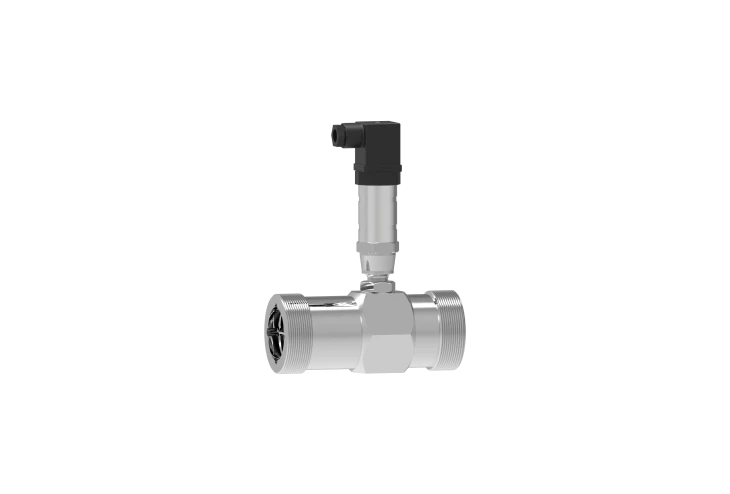
The Sanitary Hersman Liquid Turbine Flowmeter uses a specific shape of vortex generator to ensure accurate measurement of liquid flow in sanitary applications. The shape is designed to minimize the risk of contamination and to provide stable and repeatable vortex signals.
Conclusion
In conclusion, the shape of the vortex generator has a profound impact on the generated vortex flow. Different shapes can initiate vortices in different ways, affect the strength, stability, and persistence of the vortices, and have different applications in various industries.
As a vortex flow supplier, we understand the importance of selecting the right shape of the vortex generator for each specific application. Our team of experts is constantly researching and developing new vortex generator designs to meet the evolving needs of our customers.
If you are interested in learning more about our vortex flow products or need assistance in selecting the appropriate vortex generator shape for your application, we encourage you to contact us for a detailed discussion. Our goal is to provide you with the best - in - class vortex flow solutions that meet your specific requirements.
References
- Schlichting, H., & Gersten, K. (2000). Boundary - Layer Theory. Springer.
- White, F. M. (2011). Fluid Mechanics. McGraw - Hill.
- Zdravkovich, M. M. (1997). Flow Around Circular Cylinders: Vol. 1 - Fundamentals. Oxford University Press.


