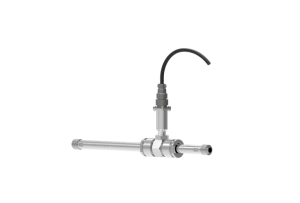
Can a water meter be used in a water softening system? This is a question that many customers in the water treatment industry often ask. As a professional water meter supplier, I'd like to share some insights on this topic.
Understanding Water Softening Systems
Before delving into whether a water meter can be used in a water softening system, it's essential to understand how water softening systems work. Water softening is the process of removing calcium, magnesium, and certain other metal cations in hard water. Hard water can cause various problems, such as scale buildup in pipes and appliances, reduced efficiency of water heaters, and poor performance of soaps and detergents.
A typical water softening system consists of a resin tank filled with ion - exchange resin beads. When hard water passes through the resin tank, the calcium and magnesium ions in the water are exchanged for sodium ions on the resin beads. This process effectively softens the water. Periodically, the resin beads need to be regenerated by flushing them with a brine solution to remove the accumulated calcium and magnesium ions and recharge the resin with sodium ions.
The Role of Water Meters in General
Water meters are devices used to measure the volume of water that passes through a pipe. They are commonly used in residential, commercial, and industrial settings for billing purposes, water conservation monitoring, and process control. There are several types of water meters, including mechanical meters (such as positive displacement meters and turbine meters), and electronic meters (such as ultrasonic meters).
Mechanical water meters work based on the movement of mechanical components, such as gears or turbines, as water flows through them. Ultrasonic water meters, on the other hand, use ultrasonic waves to measure the flow velocity of water and then calculate the volume of water passing through the pipe.
Using Water Meters in Water Softening Systems
Advantages
- Monitoring Water Usage: In a water softening system, a water meter can be used to monitor the amount of water being treated. This information is crucial for determining when the resin in the water softener needs to be regenerated. By knowing the volume of water that has passed through the system, the operator can set up a more accurate regeneration schedule, which can save on salt usage and energy costs.
- Billing and Cost Allocation: In commercial or multi - unit residential settings, a water meter can be used to accurately bill users for the amount of softened water they consume. This ensures fair cost allocation and encourages water conservation.
- System Performance Monitoring: Water meters can also be used to monitor the performance of the water softening system. If there is a sudden change in the water flow rate or volume, it could indicate a problem with the system, such as a blockage in the pipes or a malfunctioning valve.
Challenges
- Water Quality: The water in a water softening system contains a higher concentration of sodium ions after the softening process. This change in water chemistry can potentially affect the performance of some types of water meters. For example, mechanical meters may be more prone to corrosion or wear due to the presence of sodium and other dissolved solids in the softened water.
- Regeneration Cycle: During the regeneration cycle of the water softener, the brine solution is flushed through the system. This high - salt solution can also cause problems for water meters if they are not designed to handle such conditions. Some meters may become clogged or damaged by the salt crystals in the brine solution.
Suitable Water Meters for Water Softening Systems
Ultrasonic Water Meters
Ultrasonic water meters are a good choice for water softening systems. They have no moving parts, which makes them less susceptible to wear and corrosion caused by the high - salt content of softened water. Ultrasonic meters are also highly accurate and can provide real - time flow measurement data.
One of our recommended products is the Flowt :: Clamp - on Ultrasonic Doppler Flowmeter (0.05 To 9 MPS). This flowmeter uses the Doppler effect to measure the flow velocity of water. It can be easily clamped onto the outside of the pipe, which makes installation quick and non - invasive. It is suitable for a wide range of pipe sizes and can operate in harsh environments, making it ideal for use in water softening systems.
Meters with Calibration
Another option is the Flow Meter With Calibration. These meters can be calibrated to account for the specific characteristics of the water in a water softening system, such as the change in density and viscosity due to the presence of sodium ions. Calibration ensures accurate measurement and reliable performance over time.


Ultrasonic Energy Meters
For applications where both water flow and energy consumption need to be measured, the Ultrasonic Energy Meter is a great choice. In a water softening system, energy is consumed during the regeneration process. This meter can measure both the volume of water and the energy used, providing comprehensive data for system management and cost analysis.
Considerations for Installation and Maintenance
When installing a water meter in a water softening system, it's important to consider the location of the meter. It should be installed upstream or downstream of the water softener, depending on the specific requirements of the system. If the meter is installed upstream, it will measure the volume of hard water entering the system. If it is installed downstream, it will measure the volume of softened water leaving the system.
Regular maintenance is also essential to ensure the proper functioning of the water meter. This includes checking for any signs of damage, cleaning the meter if necessary, and verifying the accuracy of the measurement. In the case of ultrasonic meters, it's important to ensure that the ultrasonic transducers are clean and properly aligned.
Conclusion
In conclusion, a water meter can indeed be used in a water softening system, and it offers many benefits such as monitoring water usage, billing, and system performance monitoring. However, it's important to choose the right type of water meter that can withstand the unique conditions of a water softening system, such as the high - salt content of the water and the regeneration cycle.
If you are in the market for a water meter for your water softening system, we are here to help. Our team of experts can provide you with detailed product information and technical support to ensure that you choose the most suitable water meter for your needs. Whether you need a simple flow meter for basic water volume measurement or a more advanced meter for comprehensive system monitoring, we have the products and solutions to meet your requirements. Contact us today to start a procurement discussion and find the perfect water meter for your water softening system.
References
- "Water Treatment Handbook" by Water Treatment Association
- "Flow Measurement Handbook: Principles and Practice" by Richard W. Miller